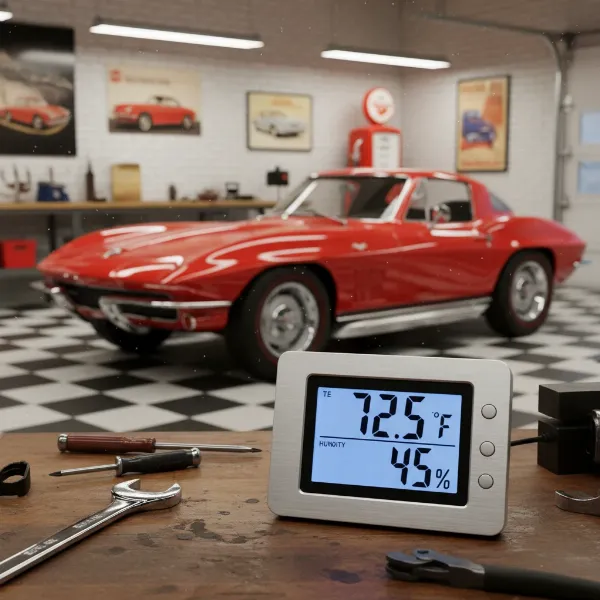
In today’s fast-paced world, maintaining optimal indoor air quality is more crucial than ever for our health and well-being. Humidity, often an overlooked factor, plays a significant role in determining comfort, safeguarding your belongings, and even impacting the structural integrity of your home. Are you tired of guessing if your environment is too dry or too damp? A digital hygrometer could be the precise tool you need to take control. This comprehensive guide will explore the world of digital hygrometers, delve into their benefits, compare top models, and provide an expert buying guide to help you find the perfect solution for your living space.
What is a Digital Hygrometer? Why Do You Need One?
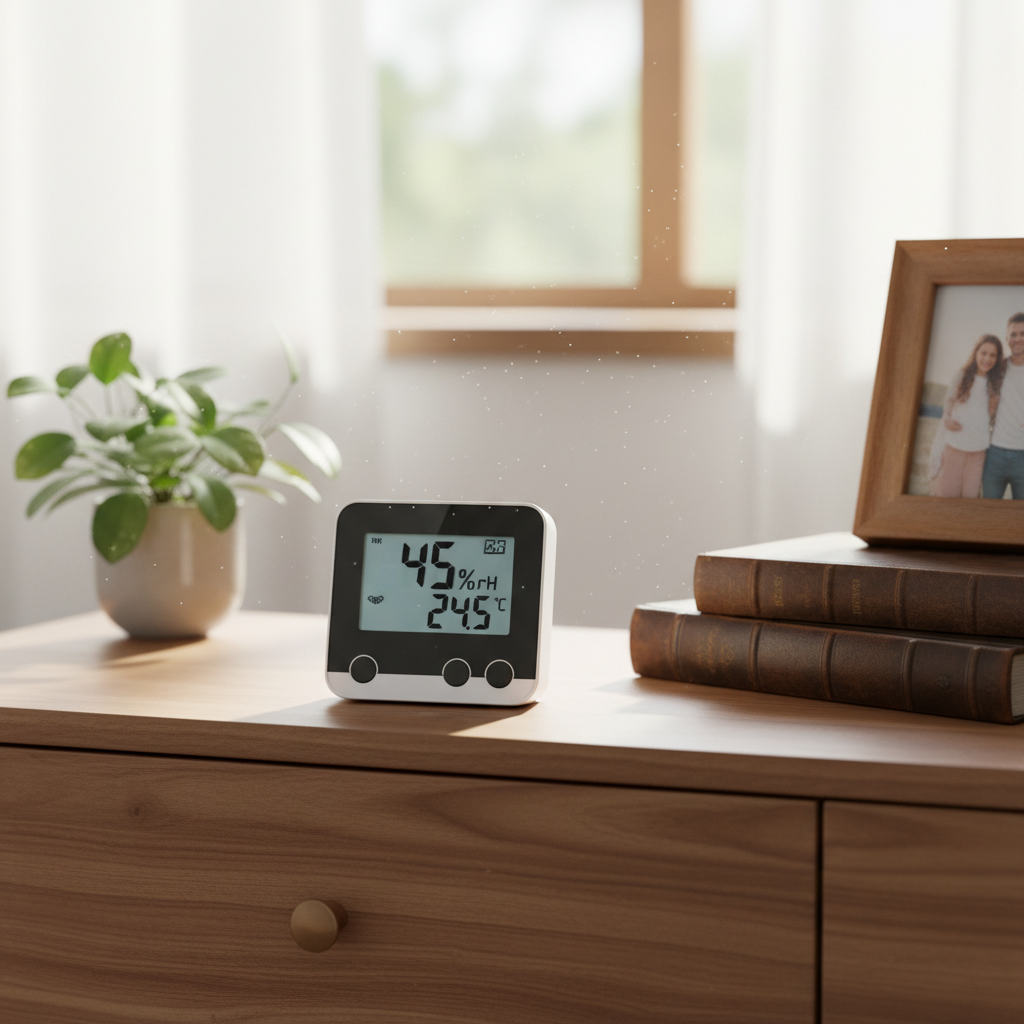
A digital hygrometer is an electronic device designed to measure the amount of water vapor in the air, commonly expressed as relative humidity (RH). Unlike traditional analog models that rely on physical reactions, digital versions use advanced electronic sensors, such as capacitive or resistive sensors, to detect moisture levels with high precision. These sensors convert the electrical property changes caused by moisture into a clear digital readout, often displaying both humidity and temperature simultaneously.
The importance of monitoring humidity cannot be overstated. Excessively high humidity can foster the growth of mold and mildew, leading to health issues like allergies and respiratory problems, while also causing damage to wooden furniture, electronics, and even the structure of your home. Conversely, overly dry air can irritate skin and airways, damage musical instruments, and create an uncomfortable static-prone environment. By providing accurate, real-time data, a digital hygrometer empowers you to take corrective action, whether by using a humidifier, dehumidifier, or simply improving ventilation, ensuring a healthier and more comfortable indoor climate.
Popular Types of Digital Hygrometers
Digital hygrometers come in various forms, each offering distinct advantages depending on your monitoring needs and preferred setup. Understanding these types can help you choose the most suitable device for your environment.
Desktop Digital Hygrometers
Desktop models are among the most common and user-friendly digital hygrometers. These devices are designed to sit on any flat surface, such as a table, shelf, or counter, offering immediate visibility of environmental conditions.
- Pros: They typically feature large, easy-to-read LCD screens, often with backlights for visibility in low-light conditions. Many include additional features like temperature readings, comfort level indicators, and min/max memory functions that track the highest and lowest humidity and temperature levels over time.
- Cons: Their primary limitation is portability; they are generally designed for stationary use in a specific room or area.
|
Our Picks for the Best Digital hygrometer in 2026
As an Amazon Associate I earn from qualifying purchases.
|
||
| Num | Product | Action |
|---|---|---|
| 1 | JEDEW 2 Pack Hygrometer Thermometer Digital Humidity Meter Indoor/Outdoor Humidity Monitor Reptile Thermo-Hygrometer for Greenhouse Humidors Terrarium Jars, Fahrenheit (℉) /Celsius(℃) (2) |

|
| 2 | Govee Bluetooth Hygrometer Thermometer, Large LCD, Max/Min Records, 2-Year Data Storage - Black, 2 Pack |
|
| 3 | JEDEW 4 Pack Hygrometer Thermometer Digital Humidity Meter Indoor/Outdoor Humidity Monitor Reptile Thermo-Hygrometer for Greenhouse Humidors Terrarium Jars, Fahrenheit (℉) /Celsius(℃) (4) |
|
| 4 | Humidity Meter Indoor Thermometer 6-Pack Mini Digital Thermometer Hygrometer Indoor Temperature Humidity Meters Gauge LCD Display Fahrenheit (℉) for Greenhouse, Reptile Tank, Cellar, Closet |
|
| 5 | 6-Pack Mini Hygrometer Indoor Humidity Meter, Mini Digital Thermometer Humidity Gauge Meter, Indoor Thermometer Hygrometer Monitor Fahrenheit (℉) for Reptile Thermostat, Jars Reptile, Fridge |
|
| 6 | TempPro TP50 Digital Hygrometer Indoor Thermometer Room Thermometer and Humidity Gauge with Temperature Humidity Monitor(Previously ThermoPro) |
|
| 7 | TempPro TP50 2 Pieces Digital Hygrometer Indoor Thermometer Room Thermometer and Humidity Gauge with Temperature Humidity Monitor(Previously ThermoPro) |
|
| 8 | TempPro TP49 Digital Hygrometer Indoor Thermometer Humidity Meter Room Thermometer with Temperature and Humidity Monitor Mini Hygrometer Outdoor Thermometer (Previously ThermoPro) |
|
| 9 | Mini Hygrometer Thermometer Digital Humidity Meter Indoor/Outdoor Humidity Monitor Reptile Thermometer for Greenhouse Garden Cellar Fahrenheit(℉)/ Celsius(℃) 2 Pack |
|
| 10 | TempPro TP49 3 Pieces Digital Hygrometer Indoor Thermometer Humidity Meter Mini Hygrometer with Temperature and Humidity Monitor Outdoor and Room Thermometer Weather Station (Previously ThermoPro) |
|
Wall-Mounted Digital Hygrometers
Wall-mounted digital hygrometers offer a space-saving solution, ideal for those who prefer to keep surfaces clear while still maintaining easy access to readings. These often feature magnetic backs or mounting holes for flexible placement.
- Pros: They are excellent for continuous monitoring in a fixed location, providing consistent data for a specific area. Their placement on a wall can keep them out of reach of children or pets, making them a discreet and practical choice for many homes.
- Cons: Similar to desktop models, they are less versatile for moving between different locations, requiring a fixed installation.
Handheld Digital Hygrometers
For those requiring flexibility and the ability to measure humidity in various locations, handheld digital hygrometers are an invaluable tool. These compact devices are built for portability and quick spot-checks.
- Pros: Highly portable and versatile, handheld units are perfect for assessing conditions in multiple rooms, checking specific areas like basements or attics, or even taking on the go. Some advanced models may offer data logging capabilities or integrate with smartphone apps for remote monitoring.
- Cons: They might feature smaller screens compared to desktop or wall-mounted versions and may have fewer advanced features built directly into the unit, often relying on companion apps for deeper insights.
Comparison Table: Top Digital Hygrometer Models
Choosing the right digital hygrometer can be challenging with the array of options available. Here’s a comparison of some highly-rated models, highlighting their key features to help you make an informed decision.
| Feature | AcuRite 00613 Digital Hygrometer & Indoor Thermometer | ThermoPro TP50 Digital Hygrometer | SMARTRO SC42 Professional Digital Hygrometer | Govee Bluetooth Digital Hygrometer Set (H5075) | SensorPush HT.w Temperature/Humidity Smart Sensor |
|---|---|---|---|---|---|
| Brand | AcuRite | ThermoPro | SMARTRO | Govee | SensorPush |
| Accuracy | Very accurate | Professional accuracy (±1°C/±2-3%RH) | Precise readings | Within ±3% humidity, ±0.5°F | Professional accuracy |
| Features | Temperature, Humidity, Min/Max records, Comfort Level Indicator | Temperature, Humidity, Min/Max records, Comfort Level Indicator, Magnetic back, Stand | Large LCD, Data logging, Multiple mounting options | Bluetooth connectivity (196 ft range), Comfort indicator, Min/Max records, App alerts, 2-year data storage | Wi-Fi/Bluetooth, App alerts, Data logging, Small size |
| Display | Easy-to-read | LCD screen, Large digits | Large LCD display | Large LCD face, Bluetooth connectivity | No built-in display (relies on app) |
| Power | Battery | Single AAA battery | Battery | 2x AAA batteries | Battery (long life) |
| Connectivity | None | None | None | Bluetooth (up to 196 ft) | Wi-Fi & Bluetooth |
| Portability | Tabletop/Magnetic/Clip | Portable, Magnetic back, Stand | Versatile mounting (stand, clip, magnet) | Compact, Portable | Very compact, Portable |
Buying Guide: How to Choose the Right Digital Hygrometer
Selecting the ideal digital hygrometer involves considering several factors to ensure it meets your specific requirements. By addressing these points, you can confidently choose a device that provides reliable and useful information for your environment.
Determine Your Usage Needs
Before diving into specifications, clarify where and why you need a hygrometer.
- Location: Are you monitoring a living room, bedroom, basement, attic, cigar humidor, or greenhouse? Different environments may require different features or form factors. For instance, a cigar humidor needs high precision, while a basement might benefit from remote monitoring.
- Criticality of Accuracy: Do you need highly precise readings for sensitive items like musical instruments or exotic plants, or is a general comfort indication sufficient for a living space?
- Additional Features: Do you require features like alarms for out-of-range conditions, historical data logging, or smart home integration?
Key Factors to Consider When Buying
Once your needs are clear, evaluate these technical aspects to narrow down your choices.
- Accuracy and Resolution: Digital hygrometers typically offer accuracy within ±1-3% RH. For critical applications, look for models with the highest accuracy. Resolution refers to the smallest change the device can display (e.g., 0.1% RH).
- Measurement Range: Check the humidity and temperature ranges the device can accurately measure. Most operate within 0-95% RH and -5°C to +50°C. Ensure the range covers the typical conditions of your intended environment.
- Response Time: A faster response time means the device updates readings quickly, which is crucial in environments where humidity fluctuates rapidly. Look for refresh rates of 10 seconds or less for dynamic monitoring.
- Battery Life (for Wireless Models): If you opt for a wireless or battery-powered unit, long battery life (e.g., 18 months or more) reduces the frequency of replacements and ensures continuous monitoring.
- Display Features: A clear, large display with easily readable digits is essential. Backlighting is a significant plus for low-light conditions. Some displays also include comfort level indicators (dry, comfort, wet) or trend arrows showing if humidity is rising or falling.
- Brand and User Reviews: Reputable brands often offer better reliability and customer support. Always check user reviews for real-world performance insights, accuracy consistency, and durability.
- Connectivity and Smart Features: Many modern digital hygrometers offer Bluetooth or Wi-Fi connectivity, allowing you to monitor readings remotely via a smartphone app. Apps can provide historical data graphs, custom alerts, and integration with other smart home devices, adding immense value for comprehensive environmental control.
Budget Considerations
Digital hygrometers vary widely in price, from under $20 for basic models to over $100 for advanced smart devices.
- Entry-level: Affordable models provide basic temperature and humidity readings with reasonable accuracy, suitable for general home use.
- Mid-range: These often include better accuracy, min/max records, backlights, and sometimes Bluetooth connectivity for local monitoring.
- High-end: Premium models offer Wi-Fi connectivity for remote monitoring, extensive data logging, advanced app features, and superior build quality, ideal for critical applications or smart home enthusiasts.
How to Use and Maintain Your Digital Hygrometer
Proper usage and regular maintenance are crucial for ensuring your digital hygrometer provides accurate and reliable readings over its lifespan.
Correct Placement for Accurate Readings
The placement of your hygrometer significantly impacts its accuracy. Follow these guidelines for optimal performance:
- Read the Manual: Always start by consulting your device’s user manual, as specific models may have unique recommendations.
- Avoid Extremes: Position the hygrometer away from direct sunlight, heat sources (like radiators or heating vents), cold drafts, air conditioning vents, or humidifiers/dehumidifiers. These can create localized, unrepresentative readings.
- Optimal Height: Place the device approximately 3.3 to 5 feet (1 to 1.5 meters) above the ground to measure ambient air accurately, avoiding floor-level variations.
- Good Airflow: Ensure the hygrometer is in an area with stable, unrestricted airflow, not behind large furniture or in sealed cabinets unless specifically monitoring that confined space.
Tips for Longevity and Accuracy
Regular care extends the life of your device and maintains its precision.
- Regular Cleaning: Dust and debris can accumulate on the sensor, affecting its performance. Gently clean the device and its sensing element with a soft, dry cloth or a pH-neutral cleaning solution, as recommended by the manufacturer. Avoid abrasive materials that could damage the sensor.
- Battery Management: For electronic models, regularly check the battery level and replace batteries as needed to prevent erratic or inaccurate readings caused by low power.
- Avoid Contamination: Keep the sensor free from contaminants. Avoid touching it with bare hands, as oils and dirt can interfere with its accuracy.
- Proper Storage: When not in use, store the hygrometer in a dry, stable environment away from extreme temperatures and humidity fluctuations.
Common Issues and How to Troubleshoot Them
Even with proper care, digital hygrometers can sometimes encounter issues. Here are common problems and their straightforward solutions.
Inaccurate or Inconsistent Readings
This is the most frequent issue and can stem from several sources.
- Low Battery: A depleted battery can cause erratic or false readings.
- Fix: Replace the batteries with fresh ones.
- Sensor Contamination/Drift: Dust, dirt, moisture, or general wear can affect the sensor’s ability to measure accurately, leading to “sensor drift” over time.
- Fix: Gently clean the sensor as per the manufacturer’s instructions. If the problem persists, recalibration is necessary.
- Improper Placement: As discussed, placing the device near heat sources, direct sunlight, or in areas with poor airflow can distort readings.
- Fix: Relocate the hygrometer to a stable area with good ambient air circulation, away from environmental extremes.
- Lack of Calibration: Digital hygrometers, while more stable than analog ones, can still drift and require occasional recalibration to maintain accuracy.
- Fix: Calibrate your device using one of the methods described below.
Slow Response Time
If your hygrometer takes too long to show changes in humidity.
- Clogged Filters/Sensors: Dust or debris might be impeding airflow to the sensor.
- Fix: Inspect and clean any filters or the sensor area. If applicable, consider replacing the sensor module if cleaning doesn’t improve response.
Calibration Methods
Calibrating your digital hygrometer ensures its readings are accurate. It’s generally advisable to calibrate every 6 months for home use, or more frequently if used in environments with extreme fluctuations or after moving the device.
-
The Salt Test Method: This is the most common and reliable DIY method.
- Materials: Small, airtight container (like a zip-top bag or a plastic food container), a small cup or bowl, table salt, and water.
- Procedure:
- Mix two tablespoons of table salt with one tablespoon of water in the small cup to create a thick, paste-like solution (not fully dissolved).
- Place the cup with the salt solution and your hygrometer into the airtight container, ensuring the hygrometer does not touch the salt solution.
- Seal the container tightly and place it in an area with a constant room temperature, away from direct sunlight or drafts.
- Wait 8-12 hours for the humidity inside the container to stabilize. The saturated salt solution creates a stable humidity level of 75% RH.
- After the waiting period, check the reading on your hygrometer while it is still inside the sealed container.
- Adjusting: If your hygrometer has a calibration button, adjust it to read 75%. If not, note the difference. For example, if it reads 72%, then you know it reads 3% low, and you’ll need to add 3% to future readings.
-
Damp Cloth Method (Less Precise):
- Procedure: Wrap the hygrometer snugly in a damp (not soaking wet) cloth for at least 30 minutes.
- Adjusting: After this time, the reading should be around 95-98% RH. Adjust accordingly if your device has a calibration feature.
“Regular calibration isn’t just a recommendation; it’s a necessity for any serious humidity monitoring. Even a few percentage points of error can lead to significant problems for sensitive items or comfort levels.” – Admin, reviewsamz.com, Digital Hygrometer Expert
Conclusion
Digital hygrometers are indispensable tools for maintaining a healthy and protected living environment. Their superior accuracy, ease of use, and advanced features far outweigh any minor inconveniences, making them a worthwhile investment for almost any home. From safeguarding your health by preventing mold to preserving valuable possessions and ensuring comfort, a digital hygrometer provides the critical data you need to make informed decisions. By understanding the types available, considering key features, and following proper usage and maintenance guidelines, you can select the perfect digital hygrometer to optimize your indoor climate. Don’t let humidity be a mystery in your home any longer.
What steps will you take to proactively monitor and manage the humidity in your home?
Frequently Asked Questions
How often should I check my digital hygrometer?
For general home use, checking your digital hygrometer daily or every few days is sufficient to monitor trends. However, in environments with rapidly fluctuating conditions or for very sensitive items, more frequent checks or a model with continuous data logging and alerts may be beneficial.
Can a digital hygrometer also measure temperature?
Yes, most digital hygrometers are actually “thermo-hygrometers” and come equipped with integrated temperature sensors, providing both humidity and temperature readings on the same display. This dual functionality offers a more complete picture of your indoor climate.
Are smart digital hygrometers worth the extra cost?
Smart digital hygrometers with Bluetooth or Wi-Fi connectivity offer advanced features like remote monitoring, historical data tracking, customizable alerts, and integration with smart home systems. For those who prioritize convenience, detailed data, and proactive management of their environment, the additional cost is often justified.
Where is the best place to put a digital hygrometer in a room?
For the most accurate ambient readings, place your digital hygrometer in the center of the room, about 3 to 5 feet off the ground. Avoid placing it near windows, doors, air vents, direct sunlight, or any heat or moisture sources that could skew the readings.
How long do digital hygrometer batteries usually last?
Battery life varies depending on the model, display usage (e.g., backlight), and connectivity features (Wi-Fi/Bluetooth). Many modern digital hygrometers are designed to be energy-efficient, with batteries lasting anywhere from 6 months to 2 years, often using common AAA or AA batteries.
Do digital hygrometers need to be calibrated regularly?
While digital hygrometers are generally more accurate out of the box than analog ones, their sensors can drift over time. It is recommended to calibrate your digital hygrometer at least once every 6-12 months, or more often if you notice inconsistent readings or if the device has been exposed to extreme conditions.
Can I use a digital hygrometer outdoors?
Most standard indoor digital hygrometers are not designed for outdoor use and can be damaged by direct exposure to rain, extreme temperatures, or prolonged humidity. If you need to monitor outdoor humidity, look for ruggedized, weather-resistant digital hygrometers specifically designed for outdoor environments.