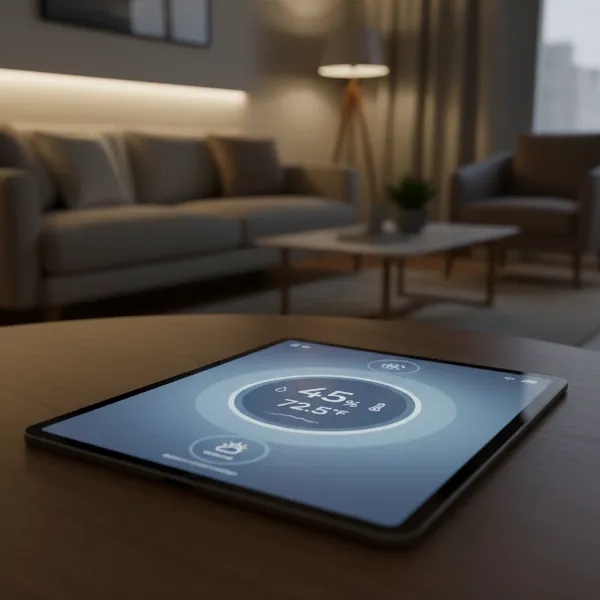
In our increasingly connected world, the condition of the air inside our homes often goes unnoticed, yet it profoundly impacts our health, comfort, and even the longevity of our cherished belongings. Just as you monitor the temperature with a thermostat, understanding the unseen humidity levels in your living environment is crucial for maintaining an optimal indoor atmosphere. This is where a digital hygrometer becomes an indispensable tool. This comprehensive guide will illuminate the world of digital hygrometers, helping you understand their importance and select the perfect device to ensure your modern space remains healthy and comfortable.
What is a Digital Hygrometer? Why Do You Need One?
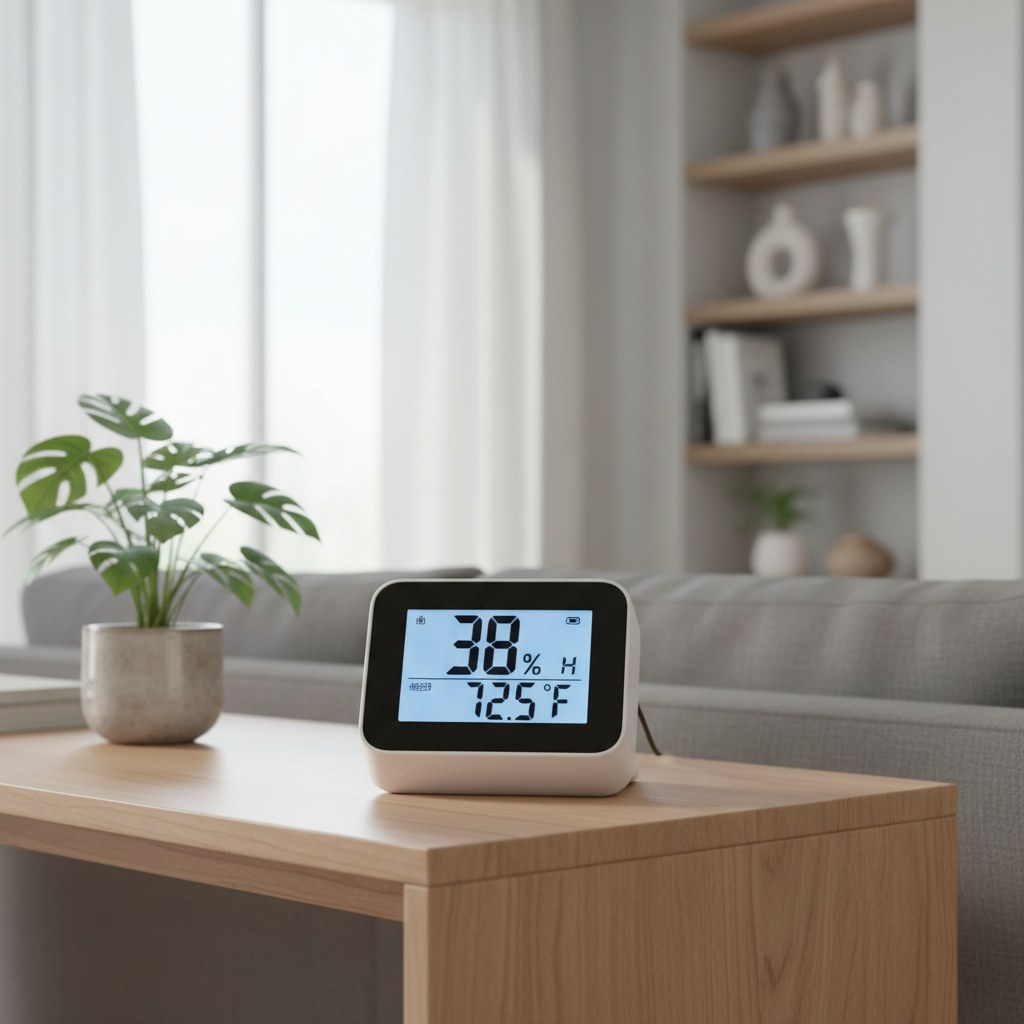
A digital hygrometer is an electronic instrument designed to measure the amount of moisture, or water vapor, present in the air, typically expressed as Relative Humidity (RH). Many modern versions, often called thermo-hygrometers, also provide accurate temperature readings, giving you a complete picture of your indoor climate. At their core, these devices utilize electronic sensors—either resistive or capacitive—that detect subtle changes in electrical resistance or capacitance as they absorb or release moisture from the surrounding air. These electrical signals are then precisely converted into the digital readings you see on the display.
The importance of monitoring humidity cannot be overstated, extending far beyond mere comfort. Maintaining an ideal relative humidity level, typically between 30% and 50%, is vital for several reasons. Too high, and your home becomes a breeding ground for mold, mildew, dust mites, and bacteria, triggering allergies and respiratory issues. Conversely, overly dry air can lead to uncomfortable dry skin, irritated sinuses, and exacerbated respiratory problems. Moreover, extreme humidity levels can cause significant damage to your home and possessions. Low humidity can dry out and crack wooden furniture, musical instruments, and even artwork, while high humidity can warp wood, promote rust on electronics, and degrade structural elements over time. By accurately monitoring humidity, you can proactively adjust your environment with humidifiers or dehumidifiers, safeguarding both your well-being and your investments.
Popular Types of Digital Hygrometers
Digital hygrometers come in various forms, each designed to suit different needs and preferences for monitoring your indoor climate. Understanding these types can help you pinpoint the best fit for your specific requirements.
Desktop Digital Hygrometers
|
Our Picks for the Best Digital hygrometer in 2026
As an Amazon Associate I earn from qualifying purchases.
|
||
| Num | Product | Action |
|---|---|---|
| 1 | Govee Bluetooth Hygrometer Thermometer, Large LCD, Max/Min Records, 2-Year Data Storage - Black, 2 Pack |

|
| 2 | JEDEW 4 Pack Hygrometer Thermometer Digital Humidity Meter Indoor/Outdoor Humidity Monitor Reptile Thermo-Hygrometer for Greenhouse Humidors Terrarium Jars, Fahrenheit (℉) /Celsius(℃) (4) |
|
| 3 | Humidity Meter Indoor Thermometer 6-Pack Mini Digital Thermometer Hygrometer Indoor Temperature Humidity Meters Gauge LCD Display Fahrenheit (℉) for Greenhouse, Reptile Tank, Cellar, Closet |
|
| 4 | JEDEW 2 Pack Hygrometer Thermometer Digital Humidity Meter Indoor/Outdoor Humidity Monitor Reptile Thermo-Hygrometer for Greenhouse Humidors Terrarium Jars, Fahrenheit (℉) /Celsius(℃) (2) |
|
| 5 | Mini Hygrometer Thermometer Digital Humidity Meter Indoor/Outdoor Humidity Monitor Reptile Thermometer for Greenhouse Garden Cellar Fahrenheit(℉)/ Celsius(℃) 2 Pack |
|
| 6 | TempPro TP50 Digital Hygrometer Indoor Thermometer Room Thermometer and Humidity Gauge with Temperature Humidity Monitor(Previously ThermoPro) |
|
| 7 | TempPro TP50 2 Pieces Digital Hygrometer Indoor Thermometer Room Thermometer and Humidity Gauge with Temperature Humidity Monitor(Previously ThermoPro) |
|
| 8 | TempPro TP49 Digital Hygrometer Indoor Thermometer Humidity Meter Room Thermometer with Temperature and Humidity Monitor Mini Hygrometer Outdoor Thermometer (Previously ThermoPro) |
|
| 9 | TempPro TP49 3 Pieces Digital Hygrometer Indoor Thermometer Humidity Meter Mini Hygrometer with Temperature and Humidity Monitor Outdoor and Room Thermometer Weather Station (Previously ThermoPro) |
|
| 10 | 6-Pack Mini Hygrometer Indoor Humidity Meter, Mini Digital Thermometer Humidity Gauge Meter, Indoor Thermometer Hygrometer Monitor Fahrenheit (℉) for Reptile Thermostat, Jars Reptile, Fridge |
|
These are perhaps the most common type, recognized for their versatility and user-friendliness. Desktop models often feature large, clear LCD screens that display humidity and temperature, sometimes alongside comfort level indicators (dry, comfort, wet), and even min/max records for the last 24 hours. They typically come with a kickstand, allowing them to be placed conveniently on any flat surface, from a bedside table to a kitchen counter. Their ease of reading and portability within a single room make them ideal for general household monitoring.
Wall-Mounted Digital Hygrometers
Designed to save space and offer a permanent monitoring solution, wall-mounted hygrometers are excellent for areas where consistent oversight is needed. Many desktop models cleverly incorporate magnetic backs or keyhole hangers, offering dual functionality for both tabletop and wall placement. This type ensures that vital humidity and temperature information is always visible in a fixed, accessible location, contributing to a seamless and uncluttered modern aesthetic.
Handheld/Smart Digital Hygrometers
For those requiring more advanced functionality or the ability to monitor multiple locations, handheld or smart digital hygrometers are an excellent choice. These compact devices are highly portable, allowing you to take spot measurements in various rooms or specific environments like cigar humidors, greenhouses, or wine cellars. Many smart hygrometers integrate Bluetooth or Wi-Fi connectivity, enabling them to pair with a smartphone app. This connectivity unlocks features such as remote monitoring, data logging, trend analysis, and customizable alerts, providing comprehensive environmental control even when you’re away from home. While some may have smaller on-device displays, their strength lies in the rich data and control offered through their companion applications.
Comparison Table: Best Digital Hygrometers Today
Choosing the best digital hygrometer involves weighing various factors like accuracy, features, and connectivity. Below is a comparison of some top-rated models known for their reliability and performance in modern homes.
| Brand | Model | Key Features | Accuracy (RH) | Connectivity | Mounting Options | Price Range | User Reviews Summary |
|---|---|---|---|---|---|---|---|
| ThermoPro | TP50/TP55 | Large display, comfort icon, temp, min/max records, backlight | ±2-3% | None (basic) | Desktop, Wall (magnet/kickstand) | Budget-Mid | Easy to read, reliable, great value for basic needs |
| AcuRite | 00613 | Versatile mounting, temp/humidity, 24-hr high/low, comfort indicator | ±3-5% | None (basic) | Desktop, Wall (clip/magnet/keyhole) | Budget | User-friendly, good basic functionality, durable |
| Govee | H5051/H5075 | Large LCD, Bluetooth/Wi-Fi, app monitoring, alerts, data logging | ±3% | Bluetooth/Wi-Fi | Desktop, Wall-mounted | Mid-Premium | Smart features, good connectivity, consistently accurate |
| SensorPush | HT.w/HT1 | Compact, high accuracy, Bluetooth, app with data export, dew point | ±2% | Bluetooth (Wi-Fi gateway optional) | Adhesive/Stand | Premium | Very precise, easy setup, excellent data management |
| ThermoPro | TP359 | Swiss-made sensor, high precision, large range, long-range Bluetooth | ±2% | Bluetooth | Desktop, Wall | Mid-Premium | Highly accurate, sensitive, reliable, Swiss sensor |
Digital Hygrometer Buying Guide
Navigating the market for a digital hygrometer can feel overwhelming given the array of options. A structured approach focusing on your specific needs and key technical specifications will ensure you make an informed decision.
Determine Your Needs
The first step in selecting the right digital hygrometer is to clarify its purpose and placement. Consider where you need to measure humidity. Are you monitoring a single room, such as a nursery, living room, or bedroom? Or do you require oversight across multiple areas, like a basement, attic, or specific zones for plants or collectibles? For comprehensive monitoring of several rooms, you might opt for multiple basic units or a multi-sensor system capable of transmitting data to a central display or app. Additionally, think about the environment itself—a wine cellar, greenhouse, or a delicate humidor may necessitate specialized models with higher precision or specific features like external probes. The level of accuracy you require is also paramount; while ±2-5% RH is often sufficient for general home comfort, sensitive items or scientific applications demand a precision of ±2% or less. Finally, evaluate if you need supplementary features such as customizable high/low humidity alarms, data logging capabilities to track historical trends, or remote monitoring via Bluetooth or Wi-Fi.
Key Factors to Consider When Choosing
Once your needs are clearly defined, several technical and practical elements should guide your selection:
- Accuracy and Resolution: This is perhaps the most critical factor. Look for devices boasting an accuracy rating of ±2-3% Relative Humidity (RH) to ensure reliable readings. A finer resolution will provide more detailed insights into subtle humidity shifts.
- Measurement Range: Ensure the hygrometer can comfortably measure the typical humidity levels you expect in your environment, usually spanning from 10% to 99% RH for most residential applications.
- Response Time: A quicker response time means the device registers changes in humidity more rapidly, which is essential for real-time adjustments or monitoring dynamic environments.
- Battery Life and Power Source: For wireless and portable models, robust battery life is a significant advantage. Check the battery type (e.g., AAA) and ease of replacement, as well as any alternative power options.
- Display: A clear, large, and easy-to-read digital display is crucial. Backlighting is a highly desirable feature for visibility in low-light conditions, reducing eye strain.
- Brand and Reviews: Opt for reputable brands known for producing reliable measuring instruments. Always consult user reviews for real-world performance insights, common issues, and overall satisfaction.
- Connectivity: If remote monitoring and data logging are priorities, look for models with Bluetooth or Wi-Fi capabilities. Bluetooth offers shorter-range communication to a smartphone, while Wi-Fi allows for monitoring from virtually anywhere with an internet connection.
Budget
Digital hygrometers are available across a spectrum of price points, with features and accuracy generally scaling with cost:
- Entry-level (Under $20): These are typically basic models offering good enough accuracy for general home use. They usually lack smart features but are excellent for straightforward temperature and humidity readings (e.g., ThermoPro TP50, AcuRite 00613).
- Mid-range ($20-$50): This category often includes devices with enhanced displays, more features like comfort level indicators, and sometimes basic Bluetooth connectivity for short-range app monitoring (e.g., Govee H5075).
- Premium ($50+): These high-end models offer superior accuracy, robust build quality, and advanced smart features such as Wi-Fi connectivity, extensive data logging, and sophisticated remote access through dedicated apps (e.g., Govee H5051, SensorPush HT.w, ThermoPro TP359). Your budget should align with the specific precision and functionality you require.
How to Use and Maintain Your Digital Hygrometer
Getting the most out of your digital hygrometer involves understanding proper placement and simple maintenance routines to ensure its longevity and accuracy.
Proper Usage
Once you’ve selected your ideal digital hygrometer, its placement is key to obtaining accurate readings. Position the device in the central area of the room you wish to monitor, ensuring it is away from direct sunlight, heating or cooling vents, open windows, and any direct sources of moisture (like humidifiers or sinks). These elements can skew readings significantly. After placing it, allow the hygrometer approximately 15 to 30 minutes to stabilize in its new environment before taking any readings. Once stable, simply read the digital display for the current relative humidity and temperature. Many devices also include helpful comfort indicators (e.g., “Dry,” “Comfort,” “Wet”) to give you a quick visual assessment. Based on these readings, you can then take appropriate action, such as activating a humidifier to increase moisture or a dehumidifier to reduce it, to maintain the optimal 30-50% RH range.
Essential Maintenance Tips
Regular maintenance is crucial for prolonging the life and ensuring the continued accuracy of your digital hygrometer. Start by gently cleaning the device and its sensor with a soft, dry cloth periodically. Accumulations of dust and debris can obstruct the sensor, leading to inaccurate measurements. It is particularly important to avoid touching the sensitive sensor element directly with bare hands, as oils and residues can impair its function. For electronic and smart hygrometers, routinely check and replace batteries as needed to ensure uninterrupted operation. Always keep a spare set of batteries on hand. Furthermore, protect your hygrometer from extreme environmental conditions; avoid exposing it to very high or low temperatures, or direct moisture, which can damage internal components. By following these simple steps, your digital hygrometer will continue to provide reliable service for years to come.
Common Problems and Solutions
Even the best digital hygrometers can encounter issues over time. Knowing how to diagnose and address common problems will help you maintain accurate readings and prolong the device’s lifespan.
Inaccurate Readings or Sensor Drift
One of the most frequent issues users face is receiving inconsistent or seemingly incorrect readings. This “sensor drift” can occur due to natural wear and tear, accumulation of dust or debris on the sensor, or prolonged exposure to fluctuating temperatures. When a hygrometer loses its calibration, it’s like a clock that runs fast or slow—it no longer tells the true time (or in this case, the true humidity).
Solution: Calibration. The most reliable way to restore accuracy is through calibration.
- The Salt Test: This is a popular and cost-effective DIY method. Place your hygrometer and a small dish containing a damp salt solution (a few drops of distilled water mixed with plain table salt, creating a paste-like consistency) inside an airtight container or sealed plastic bag. Ensure the hygrometer does not touch the salt solution. Leave it undisturbed for 6 to 12 hours in a stable room-temperature environment. The humidity inside the container should stabilize at approximately 75% RH. If your hygrometer reads differently, you can either adjust it if it has a manual calibration feature, or simply note the offset (e.g., if it reads 70%, it’s consistently 5% low).
- Calibration Packs: For a more precise and consistent method, pre-calibrated humidity packs are available. These packs are designed to maintain a specific humidity level (e.g., 75% RH) when sealed with your hygrometer, making calibration straightforward.
- Professional Calibration: For applications demanding the highest precision, or if DIY methods don’t resolve the issue, professional calibration services can recalibrate your device to industry standards.
Display Issues
Problems like a fading display, dim numbers, or a completely blank screen are usually straightforward to troubleshoot.
Solution: Check and Replace Batteries. The primary cause of display issues is often low or depleted batteries. Open the battery compartment, ensure the batteries are inserted correctly with proper polarity, and replace them with fresh ones if necessary. If the display remains problematic after changing batteries, check for any corrosion in the battery compartment or loose connections.
Connectivity Issues (for Smart Hygrometers)
For models with Bluetooth or Wi-Fi connectivity, you might occasionally experience difficulties with the device connecting to its companion app or losing its signal.
Solution: Troubleshoot Connectivity.
- Range and Obstructions: Ensure your smart hygrometer is within the effective range of your Bluetooth device or Wi-Fi router. Walls, large furniture, and other electronic devices can interfere with wireless signals. Try moving the hygrometer closer to your smartphone or Wi-Fi access point.
- Device and App Restart: Sometimes, a simple restart of the hygrometer, your smartphone, or the app can resolve temporary glitches.
- App Permissions: Verify that the hygrometer app has the necessary permissions (e.g., Bluetooth, location) on your smartphone to function correctly.
- Firmware Updates: Check if there are any pending firmware updates for your hygrometer or app updates, as these often include bug fixes and performance improvements.
By understanding these common problems and their solutions, you can effectively troubleshoot your digital hygrometer and ensure it continues to provide accurate and reliable humidity monitoring for your modern space.
Conclusion
In sum, a digital hygrometer is far more than a gadget; it’s an indispensable tool for maintaining the health, comfort, and integrity of your modern living environment. From safeguarding against the growth of mold and mildew to protecting valuable possessions from humidity damage, proactive monitoring empowers you to create an optimal indoor climate. By understanding the different types available, diligently evaluating key features like accuracy and connectivity, and performing simple maintenance and calibration, you can confidently select the best digital hygrometer to meet your specific needs. Embrace the power of precise humidity control and transform your space into a sanctuary of well-being. What aspect of your home environment are you most excited to improve with a digital hygrometer?
Frequently Asked Questions
What is the ideal indoor humidity level for a home?
The generally recommended indoor humidity level for health and comfort is between 30% and 50% Relative Humidity (RH). Maintaining this range helps prevent issues like mold growth, respiratory problems, and damage to wooden furnishings.
How often should I calibrate my digital hygrometer?
It’s advisable to calibrate your digital hygrometer at least once a year, or whenever you suspect its readings are inconsistent. Environmental factors, sensor aging, or physical impact can all affect accuracy over time.
Do all digital hygrometers also measure temperature?
While not all, a vast majority of digital hygrometers on the market today are also thermo-hygrometers, meaning they measure both temperature and humidity. This dual functionality offers a more comprehensive overview of your indoor climate.
Are smart hygrometers with app connectivity worth the extra cost?
Smart hygrometers are worth the investment if you desire remote monitoring capabilities, historical data logging, and customizable alerts directly to your smartphone. They offer enhanced convenience and control, especially for monitoring sensitive environments or multiple rooms.
Where is the best place to position a digital hygrometer for accurate readings?
For the most accurate readings, place your digital hygrometer in a central location within the room you wish to monitor, away from direct sunlight, heating/cooling vents, open windows, and any immediate sources of moisture or heat.