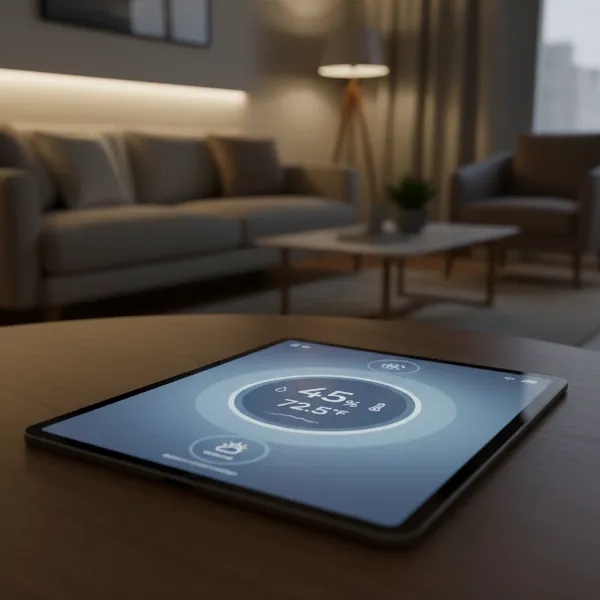
The comfort and health of your home environment are profoundly influenced by two key factors: temperature and humidity. While your thermostat diligently manages the warmth or coolness of your living space, a digital hygrometer offers vital insights into the air’s moisture content, a silent but powerful player in indoor climate. Understanding the distinct roles and benefits of each device is essential for creating an optimal and healthy atmosphere, protecting your property, and even saving on energy bills. This article will explore the functionalities of both digital hygrometers and thermostats, highlight their differences, and guide you in making informed choices for comprehensive home climate control.
What is a Digital Hygrometer? Why Do You Need One?
A digital hygrometer is an electronic device specifically designed to measure the amount of water vapor in the air, commonly expressed as relative humidity (RH). Utilizing electronic sensors, these devices quickly detect and display changes in moisture levels, providing real-time data on your environment. Unlike traditional analog hygrometers that rely on physical reactions, digital models offer enhanced precision, often with accuracy within ±1-3% RH, and are straightforward to read thanks to their clear digital displays.
The importance of monitoring humidity extends far beyond mere comfort. Maintaining optimal indoor humidity, typically between 40% and 50% RH, is crucial for several reasons. From a health perspective, balanced humidity levels can alleviate respiratory issues such as asthma and allergies, prevent dry skin, irritated eyes, and an itchy throat, and generally promote better breathing. For your home and possessions, a hygrometer is a protector. Excessive humidity fosters mold growth, can damage wooden furniture, musical instruments, and electronic devices, and leads to condensation problems. Conversely, air that is too dry can cause wood to crack, static electricity, and an uncomfortable indoor climate. A digital hygrometer empowers you to detect these issues early, allowing you to adjust your environment with humidifiers or dehumidifiers to safeguard both your well-being and your valuables.
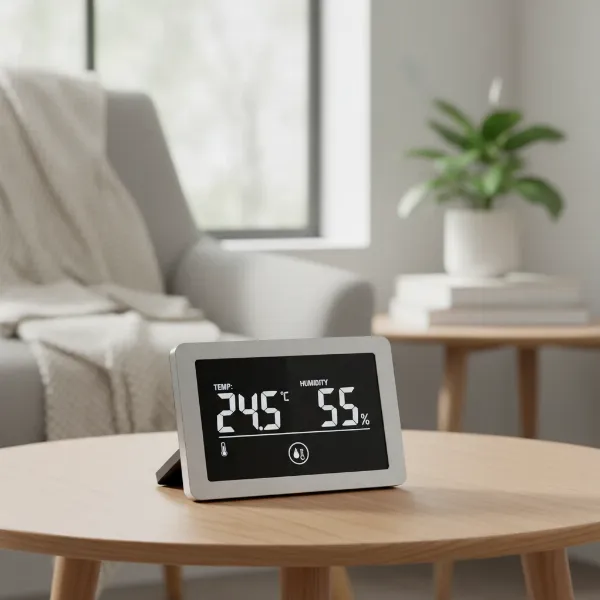 Digital hygrometer monitoring indoor humidity and temperature in a modern living room setting
What is a Thermostat? Why Do You Need One?
A thermostat is a control device that monitors and regulates the temperature of a physical system, most commonly your home’s heating, ventilation, and air conditioning (HVAC) system. Its primary function is to maintain a desired temperature setpoint by automatically turning heating or cooling equipment on and off as needed. Early mechanical thermostats used bimetallic strips, but modern digital and smart thermostats employ electronic sensors, such as thermistors, to detect precise temperature changes, ensuring your living space stays within a degree of your target setting.
The need for a thermostat is fundamental to modern living. Beyond simply keeping your home warm in winter and cool in summer, thermostats play a critical role in energy efficiency. By accurately regulating temperature, they prevent your HVAC system from overworking, reducing energy consumption and lowering utility bills. Moreover, consistent temperature control contributes significantly to personal comfort, ensuring a pleasant atmosphere regardless of external weather conditions. In addition to comfort and cost savings, thermostats protect your HVAC equipment itself by preventing it from running inefficiently or in conditions that could cause wear and tear. Programmable and smart thermostats offer advanced features, allowing you to set schedules, remotely control your home’s climate via smartphone, and even learn your preferences, optimizing temperature control to fit your routine and further enhancing energy savings.
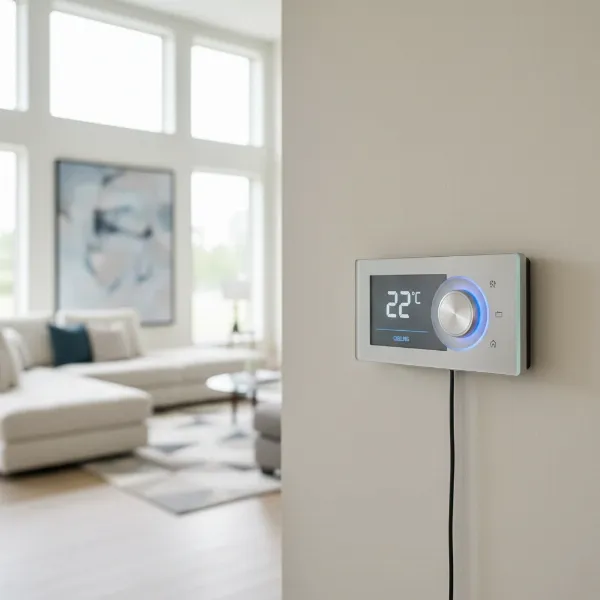 Modern smart thermostat on a wall displaying temperature and offering intuitive control
Digital Hygrometer vs. Thermostat: Understanding the Core Differences
While both devices are essential for environmental control, a digital hygrometer and a thermostat operate on fundamentally different principles and serve distinct purposes. Understanding these differences is key to effectively managing your indoor climate.
Measurement Focus
|
Our Picks for the Best Digital hygrometer in 2026
As an Amazon Associate I earn from qualifying purchases.
|
||
| Num | Product | Action |
|---|---|---|
| 1 | TempPro TP50 2 Pieces Digital Hygrometer Indoor Thermometer Room Thermometer and Humidity Gauge with Temperature Humidity Monitor(Previously ThermoPro) |

|
| 2 | TempPro TP49 3 Pieces Digital Hygrometer Indoor Thermometer Humidity Meter Mini Hygrometer with Temperature and Humidity Monitor Outdoor and Room Thermometer Weather Station (Previously ThermoPro) |
|
| 3 | Govee Bluetooth Hygrometer Thermometer, Large LCD, Max/Min Records, 2-Year Data Storage - Black, 2 Pack |
|
| 4 | Mini Hygrometer Thermometer Digital Humidity Meter Indoor/Outdoor Humidity Monitor Reptile Thermometer for Greenhouse Garden Cellar Fahrenheit(℉)/ Celsius(℃) 2 Pack |
|
| 5 | TempPro TP49 Digital Hygrometer Indoor Thermometer Humidity Meter Room Thermometer with Temperature and Humidity Monitor Mini Hygrometer Outdoor Thermometer (Previously ThermoPro) |
|
| 6 | 6-Pack Mini Hygrometer Indoor Humidity Meter, Mini Digital Thermometer Humidity Gauge Meter, Indoor Thermometer Hygrometer Monitor Fahrenheit (℉) for Reptile Thermostat, Jars Reptile, Fridge |
|
| 7 | Humidity Meter Indoor Thermometer 6-Pack Mini Digital Thermometer Hygrometer Indoor Temperature Humidity Meters Gauge LCD Display Fahrenheit (℉) for Greenhouse, Reptile Tank, Cellar, Closet |
|
| 8 | JEDEW 4 Pack Hygrometer Thermometer Digital Humidity Meter Indoor/Outdoor Humidity Monitor Reptile Thermo-Hygrometer for Greenhouse Humidors Terrarium Jars, Fahrenheit (℉) /Celsius(℃) (4) |
|
| 9 | JEDEW 2 Pack Hygrometer Thermometer Digital Humidity Meter Indoor/Outdoor Humidity Monitor Reptile Thermo-Hygrometer for Greenhouse Humidors Terrarium Jars, Fahrenheit (℉) /Celsius(℃) (2) |
|
| 10 | TempPro TP50 Digital Hygrometer Indoor Thermometer Room Thermometer and Humidity Gauge with Temperature Humidity Monitor(Previously ThermoPro) |
|
The most apparent distinction lies in what they measure. A digital hygrometer precisely measures the relative humidity (RH), which is the amount of moisture or water vapor present in the air. It tells you how saturated the air is with water compared to the maximum amount it can hold at a given temperature. In contrast, a thermostat measures the ambient temperature—the degree of hotness or coldness of the air. It provides a numerical value for heat, usually in degrees Fahrenheit or Celsius.
Primary Function
Their primary functions also differ significantly. A digital hygrometer’s main role is monitoring and reporting humidity levels. While some advanced models, often called humidistats when integrated into systems, can trigger humidifiers or dehumidifiers to control humidity, a standalone digital hygrometer is primarily a measurement tool. Its purpose is to inform you so you can take action. A thermostat, on the other hand, is inherently a control device. It not only measures temperature but actively regulates it by sending signals to your heating or cooling system to turn on or off, thereby maintaining a preset temperature range.
Impact on Indoor Environment
The impact these devices have on your indoor environment also varies. A digital hygrometer directly influences air quality, personal health, and the preservation of property. By informing you about ideal humidity levels, it helps prevent issues like mold, dust mites, dry skin, and damage to wood or electronics. Its focus is on the unseen moisture in the air. A thermostat’s impact is centered on thermal comfort and energy efficiency. It ensures your physical sensation of warmth or coolness is met and optimizes the energy consumption of your HVAC system. While humidity can affect how temperature feels, the thermostat’s direct control is over the heat itself.
Integrated Solutions: The Power of Combination Devices
The increasing demand for comprehensive environmental control has led to the development of integrated solutions that combine the functionalities of both devices. Many modern digital hygrometers are, in fact, “thermo-hygrometers,” meaning they display both temperature and humidity readings on a single screen. This dual functionality offers a convenient way to monitor both critical climate variables simultaneously.
Beyond simple display, advanced smart home systems often incorporate both temperature and humidity sensors, allowing for more sophisticated and automated climate management. These systems can work in tandem, for example, by adjusting your air conditioning not only based on temperature but also by factoring in humidity levels, which significantly impacts perceived comfort. For instance, high humidity can make a moderate temperature feel much warmer.
Choosing a combined device or an integrated smart system is particularly beneficial in environments where both temperature and humidity require precise monitoring and control. This could include wine cellars, cigar humidors, instrument rooms, or even general living spaces where comfort and air quality are top priorities. These solutions offer a holistic approach, ensuring that your home’s climate is optimized for both comfort and health, simplifying management through a single interface or automated routines.
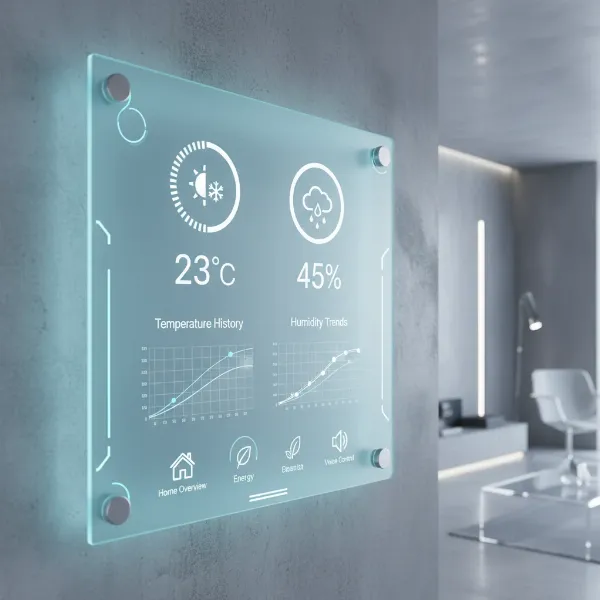 Integrated smart home climate control system with temperature and humidity icons
How to Choose the Right Climate Control for Your Needs (Buying Guide)
Selecting between a standalone digital hygrometer, a thermostat, or a combination device depends heavily on your specific needs, the environment you wish to control, and your budget. Consider these factors to make an informed decision.
Assess Your Specific Environment & Goals
- General Home Comfort: If your primary goal is overall comfort and energy saving in a typical living area, a programmable or smart thermostat is essential. Adding a basic digital thermo-hygrometer can provide valuable insights into humidity, especially during extreme seasons.
- Sensitive Items: For areas housing humidity-sensitive items like cigars, musical instruments, artwork, or certain electronics, a precise digital hygrometer (or a dedicated humidor with built-in control) is paramount. Temperature is often secondary but still a factor.
- Health Concerns: If you or family members suffer from respiratory issues, allergies, or dry skin, monitoring and controlling humidity with a digital hygrometer is crucial. This helps ensure indoor air quality is conducive to health.
- Preventing Mold/Mildew: In basements, bathrooms, or other areas prone to dampness, a hygrometer is indispensable for detecting high humidity levels before mold becomes a problem.
- Energy Savings: Advanced smart thermostats offer significant energy savings through learning algorithms and remote control. Pair this with humidity monitoring to understand how moisture affects your perceived temperature and adjust HVAC accordingly.
Key Factors to Consider When Selecting
- Accuracy and Range: For critical applications, look for hygrometers with accuracy within ±1-2% RH and thermostats with ±1°F. Ensure the measurement range covers your expected environmental conditions.
- Response Time: Faster response times are beneficial for environments with rapid fluctuations or when you need immediate feedback on changes.
- Display and Ease of Use: Clear, backlit displays are advantageous. Consider devices with intuitive controls, whether physical buttons or a touchscreen interface.
- Additional Features:
- Data Logging: Useful for tracking trends over time, especially for sensitive environments.
- Alarms: Notifications when temperature or humidity falls outside set parameters.
- Smart Connectivity: Wi-Fi or Bluetooth for remote monitoring and control via smartphone apps, integration with smart home ecosystems (e.g., Alexa, Google Home).
- Calibration: Some digital devices offer automatic or easy manual calibration to maintain accuracy over time.
- Trend Indicators: Arrows indicating if humidity/temperature is rising or falling.
- Power Source: Most digital hygrometers are battery-operated for portability, while thermostats are typically wired into your HVAC system. Smart thermostats usually require a C-wire for consistent power.
- Brand and Reviews: Reputable brands often offer better accuracy, reliability, and customer support. Always check user reviews for real-world performance insights.
Budget Considerations
The cost of these devices can vary widely. Basic digital thermo-hygrometers can be very affordable, ranging from $10 to $50. Standard programmable thermostats typically fall between $50 and $150. Advanced smart thermostats, offering sophisticated features and integration, can range from $150 to $300 or more. Combination devices that act as both a humidistat and thermostat within an HVAC system will generally be at the higher end. Determine what features are essential for your needs and allocate your budget accordingly, remembering that investing in better climate control can lead to long-term savings and comfort.
Maximizing Comfort: Best Practices for Using Both Devices
To truly optimize your indoor environment, understanding how to use digital hygrometers and thermostats effectively, sometimes in conjunction, is key.
- Strategic Placement:
- Thermostat: Place it on an interior wall, away from direct sunlight, drafts, heat sources (like lamps or electronics), and air vents. This ensures it reads the ambient temperature accurately without external interference.
- Hygrometer: Position your hygrometer in the main living area where you spend the most time, or in specific rooms where humidity is a concern (e.g., basement, baby’s room, instrument storage). Avoid placing it near windows, doors, vents, or humidifiers/dehumidifiers, as these locations can provide skewed readings.
- Understanding Interaction: Remember that humidity can significantly impact how temperature feels. A room at 75°F with 70% humidity will feel much hotter and stickier than a room at 75°F with 40% humidity. Use your hygrometer’s readings to inform your thermostat settings. For example, on humid days, you might set your thermostat a degree or two higher than usual if your air conditioner also dehumidifies effectively, as the lower humidity will make the slightly higher temperature feel comfortable.
- Regular Monitoring and Adjustment: Consistently check both temperature and humidity levels. Use the data from your hygrometer to decide when to activate a humidifier (if humidity is too low) or a dehumidifier (if it’s too high). Program your thermostat for optimal energy efficiency during different times of the day or week.
- Maintenance: Keep both devices clean and free of dust. For battery-operated hygrometers, replace batteries as needed. Some devices may require occasional calibration to ensure long-term accuracy; follow the manufacturer’s instructions for this.
Common Issues and Troubleshooting Your Devices
Even with advanced technology, you might encounter minor issues with your digital hygrometers and thermostats. Here’s how to troubleshoot common problems:
- Inaccurate Readings:
- Hygrometer: If you suspect inaccuracy, try a simple salt test for calibration. Place the hygrometer with a small, open container of salt (e.g., 1/2 cup table salt moistened with a teaspoon of water) in a sealed bag or airtight container for 8-12 hours. The humidity inside should stabilize around 75% RH. Adjust your hygrometer’s reading if it has a calibration feature, or note the discrepancy. Ensure the device isn’t exposed to extreme temperatures or direct airflow.
- Thermostat: Inaccurate temperature readings can often be due to improper placement (e.g., direct sunlight, drafty areas). Ensure no furniture blocks the thermostat, and that it’s mounted securely. If it’s a smart thermostat, ensure its sensors are clean.
- Battery Life Issues: For battery-operated digital hygrometers, short battery life often indicates a need for higher-quality batteries or a device that’s frequently sending data (e.g., connected smart devices). Always use recommended battery types. For smart thermostats, ensure your HVAC system provides consistent power (C-wire for many models).
- Connectivity Problems (Smart Devices): If your smart hygrometer or thermostat isn’t connecting to Wi-Fi or your app, first check your home Wi-Fi network. Restart both your router and the device. Ensure the device’s firmware is up to date and that it’s within range of your Wi-Fi signal.
- Device Not Responding/Controlling:
- Hygrometer: If it’s not displaying readings, check batteries. If it’s a “humidistat” designed to control, ensure it’s properly wired to the humidifier/dehumidifier and that its setpoints are correctly configured.
- Thermostat: If your HVAC system isn’t responding, check the thermostat’s batteries (if applicable) and ensure it’s set to the correct mode (heat/cool). Verify that the circuit breaker for your HVAC system hasn’t tripped. If it’s a smart thermostat, check the app for error messages or diagnostic tools.
“Many modern homes can benefit from both precise temperature and humidity monitoring. While a thermostat manages your thermal comfort, a digital hygrometer provides critical insights into air quality and can prevent costly damage to your home and health issues.” – Dr. Eleanor Vance, Environmental Scientist specializing in Indoor Air Quality
Conclusion
Creating an ideal indoor climate requires a nuanced understanding of both temperature and humidity. While your thermostat is an indispensable tool for regulating thermal comfort and optimizing energy use through your HVAC system, a digital hygrometer offers crucial, often overlooked, data about the moisture content in your air. This information is vital for protecting your health, preserving your home’s structure and valuables, and enhancing overall comfort.
By understanding the distinct roles of each device and considering integrated solutions like thermo-hygrometers or smart home systems, you can achieve comprehensive climate control. Whether you prioritize health, asset protection, energy savings, or simply a more comfortable living space, investing in the right tools—and knowing how to use them effectively—empowers you to take full control of your indoor environment. Are you ready to optimize your home’s climate for ultimate comfort and well-being?
Frequently Asked Questions
What is the ideal indoor humidity level?
The recommended indoor relative humidity level for most homes is generally between 40% and 50%. This range promotes comfort, helps prevent the growth of mold and dust mites, and protects wooden furnishings and electronics from damage.
Can a thermostat measure humidity?
Most standard thermostats are designed solely to measure and control temperature. However, some advanced smart thermostats and certain combination devices, often called “thermo-hygrometers” or “humidistats,” do incorporate humidity sensors and can display or even control humidity levels.
Why does high humidity make a room feel hotter?
High humidity makes a room feel hotter because it reduces the body’s ability to cool itself through sweat evaporation. When the air is already saturated with moisture, sweat cannot evaporate as effectively, trapping heat on your skin and making you feel warmer and stickier.
How can I reduce high humidity in my home?
To reduce high humidity, you can use a dehumidifier, run your air conditioner (which naturally dehumidifies), ensure proper ventilation in areas like bathrooms and kitchens, and fix any leaks or moisture sources in your home.
How can I increase low humidity in my home?
To increase low humidity, you can use a humidifier, place bowls of water strategically, grow houseplants, or air-dry laundry indoors. Whole-house humidifiers can also be integrated with your HVAC system for consistent moisture distribution.
Do I need both a digital hygrometer and a thermostat?
For comprehensive climate control and optimal comfort, health, and property protection, it is highly recommended to have both. A thermostat manages temperature, while a digital hygrometer (or a device with similar functionality) monitors humidity, allowing you to address both critical environmental factors effectively.
What is the difference between a hygrometer and a humidistat?
A hygrometer is a device that measures humidity. A humidistat is a device that measures and controls humidity, typically by turning a humidifier or dehumidifier on or off to maintain a set humidity level, similar to how a thermostat controls temperature.