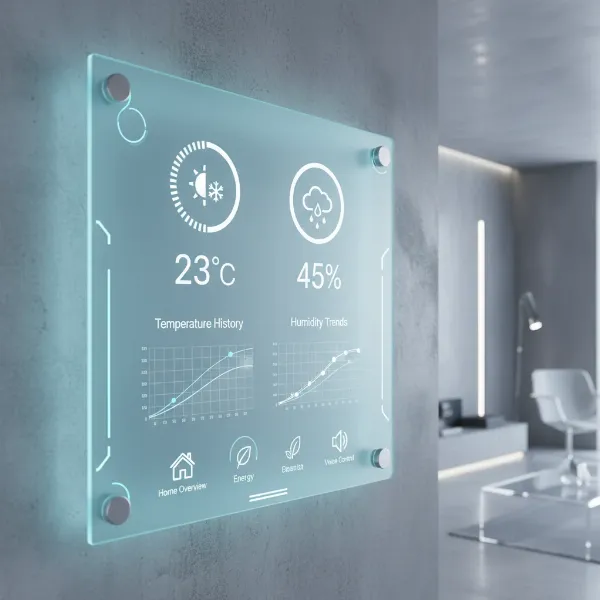
Maintaining optimal humidity levels in your home or specific environments is crucial for comfort, health, and the preservation of valuables. Whether you’re safeguarding precious cigars, protecting musical instruments, nurturing plants, or simply aiming for a more comfortable living space, understanding the moisture content in the air is the first step. For this, you need a hygrometer, a device specifically designed to measure relative humidity. But as you delve into the options, a fundamental choice emerges: digital or analog? This comprehensive guide will dissect the characteristics of both types, explore their advantages and disadvantages, and help you determine which hygrometer is the superior choice for your unique requirements, ensuring you make an informed decision for reliable humidity monitoring.
Understanding Hygrometers: Digital vs. Analog Explained
Hygrometers are instruments used to measure the amount of water vapor in the air, expressed as relative humidity (RH). This measurement is vital because humidity levels directly impact everything from human health and comfort to the integrity of wooden furniture, electronics, and even the flavor of stored goods like cigars. Too much humidity can lead to mold growth and mildew, while too little can cause dry skin, respiratory issues, and damage to sensitive items.
Digital hygrometers operate using electronic sensors, typically capacitive or resistive, that detect changes in electrical properties in response to varying humidity levels. These sensors convert the environmental data into an electrical signal, which is then processed by a microchip and displayed as a precise numerical reading on an LCD screen. This modern approach allows for rapid measurements and often incorporates additional features.
Conversely, analog hygrometers rely on mechanical principles. The most common types include hair-tension hygrometers, which use a strand of human or synthetic hair that expands and contracts with changes in humidity, and bimetallic strip hygrometers, which utilize a metal coil that reacts similarly. These physical changes are mechanically linked to a needle on a dial, providing a visual indication of the humidity level. They are often appreciated for their classic aesthetic and the absence of battery requirements.
Key Differences: Digital Hygrometer vs. Analog
The core distinction between digital and analog hygrometers lies in their measurement technology and the way they present data. These differences translate into varying levels of accuracy, ease of use, and overall functionality, making each type suitable for different applications and user preferences.
When it comes to accuracy, digital hygrometers generally outperform their analog counterparts. Equipped with electronic sensors, they typically offer precision within ±1-2% RH, providing exact readings down to a decimal point. Analog models, especially those with metal coils, often have a broader variance, sometimes up to ±5% RH or more. While high-quality hair hygrometers can be very accurate when perfectly calibrated, they are less common and more expensive than standard analog units.
Readability is another significant differentiator. Digital hygrometers feature clear, often backlit LCD screens that display exact humidity percentages and usually temperature simultaneously. This makes it effortless to read precise values at a glance. Analog hygrometers, with their traditional dial faces and pointer needles, require more interpretation. They provide a general sense of the humidity range rather than a precise figure, which can be less ideal when specific control is needed.
The response time of digital hygrometers is typically much faster, offering real-time updates on humidity fluctuations. This is crucial in dynamic environments where swift changes need to be monitored. Analog hygrometers, due to their mechanical nature, react more slowly to environmental shifts, meaning their readings may lag behind actual conditions.
In terms of features, digital hygrometers often come packed with additional functionalities that analog models simply cannot offer. These can include min/max memory to track humidity extremes, data logging capabilities, customizable alerts for high or low humidity, and even smart connectivity for remote monitoring via apps. Analog hygrometers, by design, are simpler instruments focused solely on presenting the current humidity.
Calibration and maintenance vary significantly. Digital hygrometers can often be easily calibrated with a simple button press after a salt test, and some advanced models even feature automatic calibration. While electronic sensors can degrade over time, they are generally less sensitive to vibration. Analog hygrometers, however, frequently require manual recalibration. This process involves delicate mechanical adjustments, which can be challenging and often needs to be performed more regularly to maintain acceptable accuracy.
Finally, cost can be a factor. While high-quality analog hygrometers can be expensive, many basic analog models are quite affordable. However, cheap analog units are notoriously unreliable. Digital hygrometers, even reliable and accurate ones, have become very accessible, with many good models available for under $20, making precision widely available at various price points.
Pros and Cons: Digital Hygrometers
Digital hygrometers represent the modern standard for humidity measurement, offering a blend of precision and convenience that appeals to a wide range of users. However, their reliance on technology also introduces certain considerations.
Advantages of Digital Hygrometers
- High Accuracy: Digital hygrometers utilize electronic sensors that provide highly precise readings, typically within a 1-2% relative humidity margin. This exactness is critical for sensitive applications like humidors, scientific experiments, or controlled climate storage.
- Easy Readability: Featuring clear LCD screens, digital models display exact numerical percentages, often alongside temperature readings. Many are backlit for visibility in low-light conditions, making data interpretation straightforward and quick.
- Additional Features: Most digital hygrometers offer valuable extra functionalities such as minimum and maximum humidity memory, which tracks the highest and lowest points since the last reset. Advanced models may include data logging, trend indicators, customizable alerts, and smart home integration for remote monitoring via smartphone apps.
- Faster Response Time: Electronic sensors react quickly to changes in humidity, providing near real-time updates. This rapid response is beneficial in environments where conditions can fluctuate, allowing for timely adjustments.
- Simpler Calibration: While calibration is still necessary for accuracy, digital hygrometers often make the process easier, sometimes involving just a button press after a standard salt test. Some higher-end models may even offer automatic calibration.
|
Our Picks for the Best Digital hygrometer in 2026
As an Amazon Associate I earn from qualifying purchases.
|
||
| Num | Product | Action |
|---|---|---|
| 1 | 6-Pack Mini Hygrometer Indoor Humidity Meter, Mini Digital Thermometer Humidity Gauge Meter, Indoor Thermometer Hygrometer Monitor Fahrenheit (℉) for Reptile Thermostat, Jars Reptile, Fridge |

|
| 2 | Humidity Meter Indoor Thermometer 6-Pack Mini Digital Thermometer Hygrometer Indoor Temperature Humidity Meters Gauge LCD Display Fahrenheit (℉) for Greenhouse, Reptile Tank, Cellar, Closet |
|
| 3 | JEDEW 2 Pack Hygrometer Thermometer Digital Humidity Meter Indoor/Outdoor Humidity Monitor Reptile Thermo-Hygrometer for Greenhouse Humidors Terrarium Jars, Fahrenheit (℉) /Celsius(℃) (2) |
|
| 4 | TempPro TP49 Digital Hygrometer Indoor Thermometer Humidity Meter Room Thermometer with Temperature and Humidity Monitor Mini Hygrometer Outdoor Thermometer (Previously ThermoPro) |
|
| 5 | Mini Hygrometer Thermometer Digital Humidity Meter Indoor/Outdoor Humidity Monitor Reptile Thermometer for Greenhouse Garden Cellar Fahrenheit(℉)/ Celsius(℃) 2 Pack |
|
| 6 | TempPro TP49 3 Pieces Digital Hygrometer Indoor Thermometer Humidity Meter Mini Hygrometer with Temperature and Humidity Monitor Outdoor and Room Thermometer Weather Station (Previously ThermoPro) |
|
| 7 | JEDEW 4 Pack Hygrometer Thermometer Digital Humidity Meter Indoor/Outdoor Humidity Monitor Reptile Thermo-Hygrometer for Greenhouse Humidors Terrarium Jars, Fahrenheit (℉) /Celsius(℃) (4) |
|
| 8 | TempPro TP50 2 Pieces Digital Hygrometer Indoor Thermometer Room Thermometer and Humidity Gauge with Temperature Humidity Monitor(Previously ThermoPro) |
|
| 9 | TempPro TP50 Digital Hygrometer Indoor Thermometer Room Thermometer and Humidity Gauge with Temperature Humidity Monitor(Previously ThermoPro) |
|
| 10 | Govee Bluetooth Hygrometer Thermometer, Large LCD, Max/Min Records, 2-Year Data Storage - Black, 2 Pack |
|
Disadvantages of Digital Hygrometers
- Requires Batteries: As electronic devices, digital hygrometers need a power source, typically AAA or button cell batteries. This means periodic battery replacement, which can be inconvenient, especially if monitoring in hard-to-reach locations.
- Potential for Sensor Degradation: Over time, the electronic sensors in digital hygrometers can degrade, leading to reduced accuracy. While this is a slow process, it necessitates occasional recalibration or eventual replacement to ensure reliable measurements.
- Less Aesthetic Appeal for Some: For enthusiasts of traditional design, the utilitarian look of a digital display may not offer the same classic charm as an analog dial, particularly in settings like a vintage humidor or a meticulously designed room.
- Vulnerability to Extreme Conditions: While generally robust, some digital models might be more susceptible to damage from extreme temperatures or very high humidity if not designed for such conditions, potentially affecting sensor longevity.
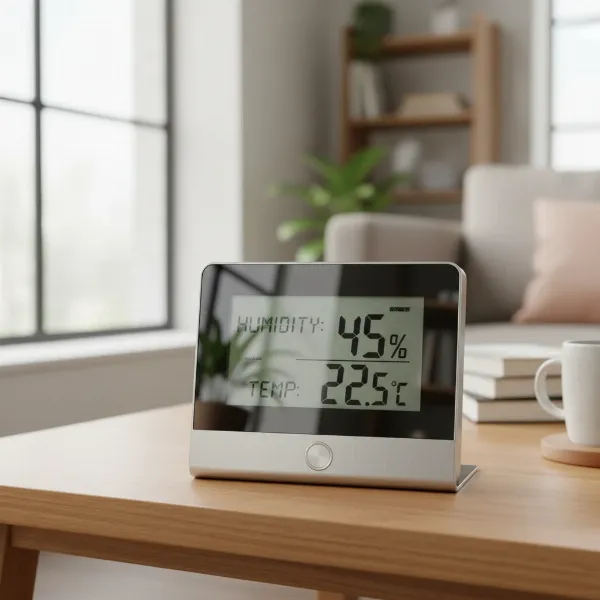 Digital hygrometer displaying temperature and humidity with additional features
Pros and Cons: Analog Hygrometers
Analog hygrometers offer a classic approach to humidity measurement, appealing to those who appreciate traditional craftsmanship and simplicity. However, their mechanical nature brings certain limitations that modern digital devices have largely overcome.
Advantages of Analog Hygrometers
- No Batteries Required: A significant advantage of analog hygrometers is their self-sufficiency. Operating purely on mechanical principles, they do not require batteries or any external power source, making them ideal for remote monitoring or environments where power is unreliable.
- Classic Aesthetic Appeal: Many users are drawn to the timeless design of analog hygrometers, particularly those with a round dial and a decorative bezel. This classic look can complement traditional settings, such as cigar humidors, vintage instrument cases, or historically themed rooms.
- Durable Mechanical Build: With fewer electronic components, analog hygrometers often boast a robust mechanical construction that can be highly durable and long-lasting if properly cared for. They are generally less susceptible to electronic failures common in digital devices.
- Instant Visual Reference: The sweeping needle on an analog dial provides an immediate, albeit less precise, visual indication of humidity changes. For those who need a quick, general sense of the humidity rather than exact numbers, the analog display is intuitive.
Disadvantages of Analog Hygrometers
- Lower Accuracy: Generally, analog hygrometers, especially the common metal coil types, are less accurate than digital models, often exhibiting a wider margin of error (up to ±5% RH). Maintaining accuracy requires meticulous and frequent calibration.
- Difficult Calibration: Calibrating an analog hygrometer typically involves delicate manual adjustments to the mechanical components, a process that can be tricky and time-consuming. Poor calibration significantly impacts the reliability of its readings.
- Slower Response Time: The mechanical elements of analog hygrometers react more slowly to changes in atmospheric humidity compared to electronic sensors. This delay means the displayed reading might not reflect current conditions accurately, especially in rapidly changing environments.
- Lack of Advanced Features: Analog models are fundamentally simple instruments. They cannot offer additional features like temperature readings, min/max memory, data logging, or connectivity options that are common in digital hygrometers.
- Limited Readability: The dial and needle display provides a less precise reading compared to a digital screen. Interpreting the exact humidity percentage can be challenging, particularly when the needle is between marked increments, which can be problematic for applications requiring strict humidity control.
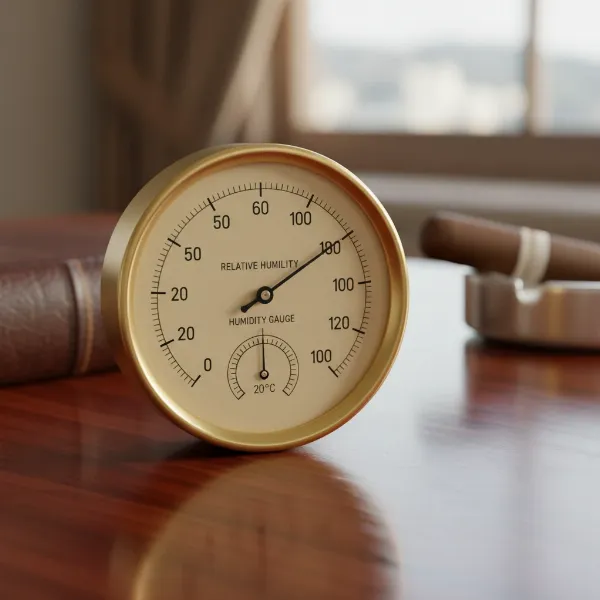 Traditional analog hygrometer with a round dial and needle display
Comparison Table: Digital vs. Analog Hygrometer Features
Choosing between a digital and an analog hygrometer often comes down to balancing precision, features, and aesthetic preferences against practical considerations like cost and maintenance. Here’s a comparative overview to help illustrate their key differences:
| Feature | Digital Hygrometer | Analog Hygrometer |
|---|---|---|
| Measurement Principle | Electronic sensors (capacitive, resistive) | Mechanical (hair, bimetallic coil) |
| Accuracy | High (typically ±1-2% RH) | Moderate to Low (typically ±5% RH or more for cheap models; high-quality hair can be good) |
| Readability | Clear LCD display, exact numerical values | Dial with needle, general range, requires interpretation |
| Response Time | Fast, near real-time updates | Slower, noticeable lag in dynamic environments |
| Additional Features | Temperature, min/max memory, data logging, alerts, smart connectivity (advanced models) | None |
| Power Source | Batteries required | No batteries, purely mechanical |
| Calibration | Easier (button press, sometimes automatic) | Difficult (delicate manual adjustments, frequent) |
| Cost | Reliable models affordable (under $20); high-end can be more | Cheap models often unreliable; high-quality hair models expensive |
| Maintenance | Battery replacement; occasional recalibration | Frequent recalibration; sensitive to knocks |
| Aesthetics | Modern, functional | Classic, traditional |
| Best Use Cases | Humidors, labs, greenhouses, climate control, data tracking | Wine cellars, general ambient monitoring, aesthetic preference |
How to Choose the Right Hygrometer for Your Needs (Buying Guide)
Selecting the ideal hygrometer involves a thoughtful evaluation of your specific application, the level of precision required, and your budget. Understanding these factors will guide you toward the best instrument for your unique environment.
Determine Your Specific Application
Before anything else, consider where and why you need to measure humidity. Are you monitoring a cigar humidor where strict humidity is paramount for preservation? Do you need to keep musical instruments in a stable environment to prevent damage? Or are you simply curious about general indoor comfort levels?
- High-precision needs (e.g., humidors, incubators, laboratories): You’ll likely require a digital hygrometer due to its superior accuracy and ability to provide exact readings. Features like min/max tracking and alarms can be invaluable here.
- General ambient monitoring (e.g., living room, bedroom): Either a digital or a reliable analog hygrometer might suffice. If precise numbers aren’t critical, an analog model can offer a quick visual check.
- Environments with no power (e.g., remote sheds, some greenhouses): An analog hygrometer’s battery-free operation makes it an obvious choice.
- Integration with smart home systems: This exclusively points to advanced digital models with connectivity features.
Factors to Consider When Choosing
Once you’ve identified your primary need, evaluate potential hygrometers based on these critical aspects:
- Accuracy and Resolution: For critical applications, prioritize digital hygrometers with a specified accuracy of ±1-2% RH. Resolution refers to the smallest change the device can detect; digital models typically offer finer resolution (e.g., 0.1% RH).
- Measurement Range: Ensure the hygrometer can accurately measure within the humidity range specific to your application (e.g., 65-75% RH for cigars, 40-60% RH for home comfort).
- Response Time: If rapid changes in humidity are expected or need to be tracked, a digital hygrometer with a fast response time is essential. Analog models will always have a delay.
- Display and Readability: Digital screens offer precise numbers, often with backlighting and large digits, which is excellent for quick, exact readings. Analog dials provide a more aesthetic and general indication, which might be preferred for ambient awareness.
- Additional Features: Do you need temperature readings? Min/max memory? Alarms for humidity excursions? Data logging capabilities? Smart app connectivity? These are primarily found in digital models and can significantly enhance usability.
- Calibration Capability: Regardless of type, a hygrometer should be calibratable to ensure long-term accuracy. Check if the model allows for easy user calibration (e.g., a simple button press for digital, or accessible adjustment for analog).
- Power Source: If you opt for a digital hygrometer, consider battery type and longevity. For analog, appreciate the battery-free operation.
- Brand Reputation and Reviews: Research reputable brands known for quality instruments. User reviews can offer insights into real-world accuracy, durability, and customer satisfaction.
Budget Considerations
Hygrometers come in a wide price range, from inexpensive basic models to high-end professional-grade instruments.
- Entry-level (Under $20): You can find reliable basic digital hygrometers in this range, often with temperature display and min/max memory. Cheap analog models are also here, but their accuracy can be highly questionable.
- Mid-range ($20-$50): This segment offers more robust digital hygrometers with better sensors, faster response times, and potentially more advanced features like larger displays or simple connectivity.
- High-end ($50+): Professional-grade digital hygrometers with advanced data logging, smart home integration, and superior accuracy, as well as very high-quality hair analog hygrometers (which are rare), fall into this category.
Consider your budget in conjunction with your accuracy and feature requirements. Sometimes, investing a little more upfront can prevent frustrations with inaccurate readings and the need for frequent replacements.
Calibration and Maintenance: Ensuring Accuracy
Regardless of whether you choose a digital or analog hygrometer, regular calibration and proper maintenance are key to ensuring its long-term accuracy and reliability. A hygrometer that isn’t regularly checked and maintained can provide misleading data, potentially leading to suboptimal environmental control and adverse effects on health or valuables.
The most common and reliable method for calibrating both digital and analog hygrometers is the salt test (or salt solution test). This involves placing the hygrometer in a sealed environment (like a Ziploc bag or a small container) with a saturated salt solution (typically common table salt mixed with a small amount of water to form a slush, not dissolved). This setup reliably creates an environment of 75% relative humidity. After 8-12 hours, the hygrometer should read 75% RH. If it doesn’t, you can adjust the device to match this reading.
For digital hygrometers, calibration often involves a simple button sequence or a small adjustment screw. Many modern digital units are designed for straightforward user calibration. If your digital hygrometer consistently reads outside the acceptable range even after calibration, it might indicate a failing sensor and could be time for a replacement. To maintain digital units, ensure batteries are replaced regularly, especially if you notice inconsistent readings, and keep the sensor clean and free from dust buildup.
Analog hygrometers typically require manual adjustment using a small screwdriver or a similar tool to move the needle to the correct 75% mark during the salt test. This mechanical adjustment can be delicate and may need to be repeated more frequently, perhaps every 3-6 months, as the mechanical components or hair tension can drift over time. For maintenance, keep analog hygrometers away from physical shocks, as sudden movements can throw off their calibration. Also, avoid placing them in direct sunlight or near heat sources, which can affect their mechanical components.
Periodic recalibration, at least once or twice a year, is a good practice for all hygrometers to confirm their accuracy. This ensures that the instrument continues to provide dependable measurements, giving you confidence in your humidity control efforts.
Common Issues and Troubleshooting
Even with the best hygrometers, you might encounter issues. Understanding common problems and how to troubleshoot them can save you time and ensure your device continues to function effectively.
Digital Hygrometer Issues
- Inaccurate Readings:
- Cause: Needs calibration, low battery, sensor obstructed/dirty, sensor degradation.
- Fix: Perform a salt test and recalibrate. Replace batteries. Gently clean the sensor (refer to the manual for proper cleaning). If accuracy doesn’t improve after these steps, the sensor may be failing.
- Blank or Fading Display:
- Cause: Dead or low batteries.
- Fix: Replace batteries with fresh ones. Ensure they are inserted correctly.
- Slow Response Time:
- Cause: Sensor aging, extreme environment, or a lower-quality sensor.
- Fix: Ensure the sensor area is clear. If persistent, consider calibration or replacement, especially if precise real-time data is critical.
- Connectivity Problems (Smart Hygrometers):
- Cause: Wi-Fi interference, distance from router, app issues, device battery.
- Fix: Check Wi-Fi signal strength, move the device closer to the router, restart the app and the hygrometer, ensure device batteries are charged.
Analog Hygrometer Issues
- Inaccurate Readings:
- Cause: Needs calibration, physical shock, aged components (especially for hair or bimetallic coil types), cheap construction.
- Fix: Perform a salt test and carefully recalibrate the device manually. Avoid dropping the hygrometer. If it’s a very old or inexpensive model, accuracy may be inherently limited, and replacement might be the best option.
- Needle Not Moving:
- Cause: Mechanical failure, needle jammed, or the hygroscopic element has lost its responsiveness.
- Fix: Gently tap the device to see if the needle is stuck. If it still doesn’t respond to significant humidity changes (e.g., taking it from a dry room to a steamy bathroom), the internal mechanism may be broken or worn out, indicating it’s time for a new one.
- “Stuck” Readings (very little fluctuation):
- Cause: The sensing element (hair or coil) is no longer sensitive to humidity changes.
- Fix: This often means the hygrometer’s sensing element has degraded significantly. Calibration might offer a temporary fix, but consistent stagnation usually points to needing a replacement.
“For consistent peace of mind, always prioritize a hygrometer’s ability to be calibrated. A device that can’t be trusted is worse than no device at all.” – Dr. Eleanor Vance, Environmental Scientist specializing in atmospheric measurements
Conclusion
The choice between a digital and an analog hygrometer ultimately depends on your specific needs, priorities, and environment. Digital hygrometers offer unparalleled accuracy, easy readability, and a wealth of advanced features, making them ideal for precise monitoring in humidors, laboratories, or smart homes where exact data and connectivity are paramount. Their electronic sensors provide quick, numerical feedback, though they do require battery power.
On the other hand, analog hygrometers appeal with their classic aesthetic and battery-free operation, fitting perfectly into traditional settings or remote locations. While generally less precise and slower to respond, a well-made and frequently calibrated analog unit can be sufficient for general ambient monitoring. However, vigilance is needed as their mechanical nature can lead to drift and requires more involved calibration.
In summary, if precision, advanced features, and convenience are your top priorities, a digital hygrometer is the superior choice. If you value classic design, battery-free operation, and only need a general sense of humidity, an analog model might fit the bill. Whichever you choose, remember that regular calibration and proper maintenance are essential to ensure your hygrometer provides reliable readings, protecting your health, comfort, and valuable possessions. What is the most critical factor influencing your hygrometer choice for your specific application?
Frequently Asked Questions
What is the ideal humidity level for a home?
The ideal relative humidity for most homes typically ranges between 40% and 60%. Maintaining these levels can prevent mold growth, reduce allergens, and protect wooden furniture and electronics, while also contributing to overall comfort and respiratory health.
How often should I calibrate my hygrometer?
It is recommended to calibrate your hygrometer at least once every 6 to 12 months. For highly sensitive applications like cigar humidors, monthly or quarterly calibration using a salt test is advisable to ensure continuous accuracy.
Can a cheap hygrometer be accurate?
While some inexpensive digital hygrometers can offer acceptable accuracy for general use, very cheap analog models are often unreliable. For critical applications, investing in a reputable brand, even an affordable digital one, that offers calibration capabilities is a better choice.
Do digital hygrometers measure temperature as well?
Most modern digital hygrometers are multi-functional devices that measure both relative humidity and ambient temperature simultaneously. This dual functionality adds value and convenience, providing a more comprehensive environmental overview on a single screen.
Are analog hygrometers completely obsolete?
No, analog hygrometers are not obsolete. They still hold value for their classic aesthetic, battery-free operation, and suitability for applications where extreme precision isn’t the primary concern, such as general room monitoring or in traditional humidors.