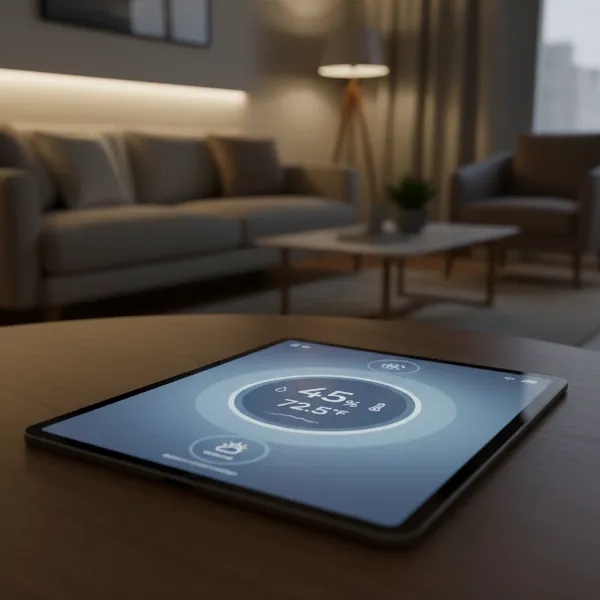
Navigating the invisible world of humidity within your home or specialized environments can feel like a guessing game. Yet, maintaining optimal humidity levels is crucial for everything from human health and comfort to preserving valuable items like wooden furniture, musical instruments, and even cigars. This comprehensive guide dives deep into the realm of digital hygrometers, offering an expert perspective on their functionality, types, top models, and essential buying and troubleshooting tips. Understanding these modern marvels will empower you to select the perfect device to monitor and manage the air moisture around you.
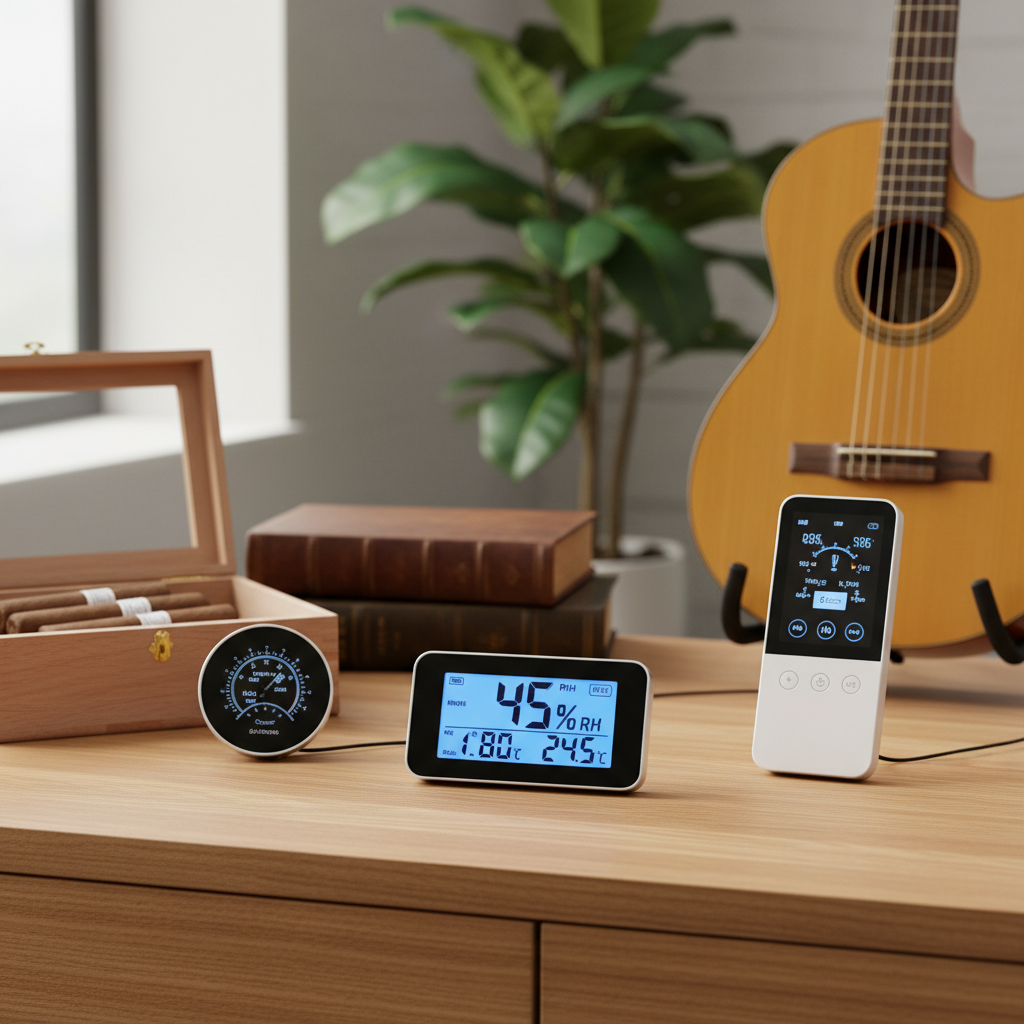
What is a Digital Hygrometer? Why Do You Need One?
A digital hygrometer is an electronic device designed to measure the amount of water vapor, or relative humidity (RH), in the air. Unlike their older analog counterparts, digital hygrometers provide precise, easy-to-read measurements using advanced electronic sensors. These devices typically operate by detecting changes in electrical resistance or capacitance caused by moisture absorption or loss in a specialized material within the sensor. This electrical change is then converted into a digital signal and displayed on an LCD screen, often alongside temperature readings.
The importance of measuring humidity extends far beyond mere curiosity. In homes, excessive humidity can foster mold growth, attract pests, and damage structural elements, wood, and electronics. Conversely, overly dry air can lead to dry skin, respiratory issues, static electricity, and can cause wood to crack or warp. For specific applications like caring for musical instruments, cigars, or plants, precise humidity control is non-negotiable for preservation and optimal conditions. A reliable digital hygrometer acts as your environmental sentinel, providing the critical data needed to make informed decisions about using humidifiers or dehumidifiers and maintaining a healthy, safe, and comfortable space.
Common Types of Digital Hygrometers
While the core technology of digital hygrometers relies on electronic sensors, they come in various form factors designed to suit different needs and environments. Each type offers distinct advantages and caters to specific user preferences.
Desktop Digital Hygrometers
These are perhaps the most common type, designed to sit on a flat surface like a table, desk, or shelf. They often feature larger displays, making them easy to read at a glance.
- Pros: Typically offer comprehensive features, including temperature readings, comfort level indicators, and sometimes min/max records. Their stable placement allows for consistent monitoring in a specific room.
- Cons: Less portable than handheld units and usually require a dedicated surface.
|
Our Picks for the Best Digital hygrometer in 2026
As an Amazon Associate I earn from qualifying purchases.
|
||
| Num | Product | Action |
|---|---|---|
| 1 | TempPro TP49 3 Pieces Digital Hygrometer Indoor Thermometer Humidity Meter Mini Hygrometer with Temperature and Humidity Monitor Outdoor and Room Thermometer Weather Station (Previously ThermoPro) |

|
| 2 | Humidity Meter Indoor Thermometer 6-Pack Mini Digital Thermometer Hygrometer Indoor Temperature Humidity Meters Gauge LCD Display Fahrenheit (℉) for Greenhouse, Reptile Tank, Cellar, Closet |
|
| 3 | TempPro TP50 2 Pieces Digital Hygrometer Indoor Thermometer Room Thermometer and Humidity Gauge with Temperature Humidity Monitor(Previously ThermoPro) |
|
| 4 | TempPro TP50 Digital Hygrometer Indoor Thermometer Room Thermometer and Humidity Gauge with Temperature Humidity Monitor(Previously ThermoPro) |
|
| 5 | Mini Hygrometer Thermometer Digital Humidity Meter Indoor/Outdoor Humidity Monitor Reptile Thermometer for Greenhouse Garden Cellar Fahrenheit(℉)/ Celsius(℃) 2 Pack |
|
| 6 | 6-Pack Mini Hygrometer Indoor Humidity Meter, Mini Digital Thermometer Humidity Gauge Meter, Indoor Thermometer Hygrometer Monitor Fahrenheit (℉) for Reptile Thermostat, Jars Reptile, Fridge |
|
| 7 | JEDEW 4 Pack Hygrometer Thermometer Digital Humidity Meter Indoor/Outdoor Humidity Monitor Reptile Thermo-Hygrometer for Greenhouse Humidors Terrarium Jars, Fahrenheit (℉) /Celsius(℃) (4) |
|
| 8 | JEDEW 2 Pack Hygrometer Thermometer Digital Humidity Meter Indoor/Outdoor Humidity Monitor Reptile Thermo-Hygrometer for Greenhouse Humidors Terrarium Jars, Fahrenheit (℉) /Celsius(℃) (2) |
|
| 9 | TempPro TP49 Digital Hygrometer Indoor Thermometer Humidity Meter Room Thermometer with Temperature and Humidity Monitor Mini Hygrometer Outdoor Thermometer (Previously ThermoPro) |
|
| 10 | Govee Bluetooth Hygrometer Thermometer, Large LCD, Max/Min Records, 2-Year Data Storage - Black, 2 Pack |
|
Wall-Mounted Digital Hygrometers
Similar in function to desktop models, wall-mounted hygrometers are designed to be affixed to a wall, saving surface space and providing a permanent monitoring point.
- Pros: Space-saving and offer easy visibility if placed at eye level. They can blend more seamlessly into a room’s decor.
- Cons: Require fixed installation, which might limit flexibility if you need to move them frequently. Placement is crucial to avoid inaccurate readings from heat sources or restricted airflow.
Portable Digital Hygrometers
Small and lightweight, portable digital hygrometers are designed for mobility, allowing users to measure humidity in various locations with ease. This category also includes mini hygrometers often found in multi-packs.
- Pros: Highly versatile for spot-checking humidity in different rooms, travel humidors, instrument cases, or outdoor areas. Many smart versions offer app connectivity.
- Cons: Often have smaller screens and may come with fewer built-in features compared to larger desktop models. Battery life might be a more significant consideration due to frequent movement.
Best Digital Hygrometers: A Comparative Table
Choosing the right digital hygrometer can be challenging with so many options available. Here’s a comparison of some highly-rated models, highlighting their key features to help you find one that fits your needs.
| Product Model | Brand | Price Range | Accuracy (RH) | Key Features | User Reviews (General) |
|---|---|---|---|---|---|
| ThermoPro TP49 Digital Hygrometer | ThermoPro | Affordable | ±1-3% | 18-month battery life, 10-second refresh, comfort indicator | Excellent overall |
| ThermoPro TP55 Jumbo Touchscreen Hygrometer | ThermoPro | Mid-range | ±1-3% | Large touchscreen, jumbo numerals, optional backlight, min/max records | Great display & ease of use |
| Govee H5051 Wi-Fi Indoor Hygrometer | Govee | Mid-range | ±3% | Wi-Fi & Bluetooth, app control, notifications, 2-year data storage, sleek | Highly rated for smart features |
| SensorPush HT.w Temperature/Humidity Smart Sensor | SensorPush | High-end | ±2% | Bluetooth (up to 325 ft), app calibration, advanced data logging | Excellent for detailed tracking |
| AcuRite 00613 Digital Hygrometer | AcuRite | Affordable | ±5% | Versatile, basic temperature and humidity display | Reliable, good value |
| Xikar Digital Gauge Hygrometer | Xikar | Mid-range | ±2% | Specifically for cigars, dual display, slim profile, lifetime warranty | Trusted by cigar enthusiasts |
| Famous Hygroset II | Famous Smoke | Affordable | ±3% | Re-calibratable, slim version for travel, low price | Functional, no-frills |
Note: Price ranges are approximate and can vary based on retailer and promotions. Accuracy can also have slight variations based on specific models within a brand.
How to Choose the Right Digital Hygrometer (Buying Guide)
Selecting the ideal digital hygrometer involves considering several factors tailored to your specific situation. This guide will help you navigate the choices.
Determine Your Needs
Start by asking yourself where and how you intend to use the hygrometer.
- Location: Are you monitoring a single room, an entire house, a humidor, a greenhouse, or a storage unit? This will influence the form factor (desktop, wall-mounted, portable) and connectivity requirements (Bluetooth, Wi-Fi).
- Required Accuracy: For general home comfort, an accuracy of ±3-5% RH might suffice. However, for sensitive items like cigars, musical instruments, or scientific applications, a precision of ±1-2% RH is often critical.
- Additional Features: Do you need more than just current readings? Features like min/max memory, data logging, comfort indicators, alarms for out-of-range conditions, or remote monitoring via a smartphone app can greatly enhance usability.
Key Factors to Consider When Choosing
Once your needs are clear, evaluate these technical specifications and features:
- Accuracy and Resolution: Digital hygrometers typically offer accuracy within ±1-3% RH. Resolution refers to the smallest increment the device can display (e.g., 0.1% RH). Higher accuracy and resolution are crucial for specialized applications.
- Measurement Range: Ensure the device can accurately measure humidity within the expected range of your environment, usually 10% to 99% RH.
- Response Time: A faster response time means the device updates readings more quickly to reflect environmental changes. This is important in dynamic settings.
- Battery Life (for Wireless Models): If you opt for a wireless or smart hygrometer, consider how long the batteries last and if they are easily replaceable. Some models offer extended battery life, up to 18 months or more.
- Display: Look for a clear, easy-to-read display, especially in low light. Jumbo numbers, backlights, and touchscreen interfaces can improve readability.
- Brand and Reviews: Reputable brands often offer better accuracy, durability, and customer support. User reviews can provide practical insights into a device’s real-world performance.
Budget
Digital hygrometers vary significantly in price, generally falling into three segments:
- Entry-Level (Under $20): These are usually basic models offering core humidity and temperature readings with decent accuracy. Good for general home use.
- Mid-Range ($20-$50): This segment offers improved accuracy, faster response times, and additional features like larger displays, min/max memory, and basic smart connectivity (Bluetooth).
- High-End ($50+): These devices boast superior accuracy, advanced smart features (Wi-Fi remote monitoring, extensive data logging), robust build quality, and specialized applications (e.g., for labs or specific collections).
“Investing in a good digital hygrometer is investing in the longevity of your belongings and your family’s well-being. Don’t underestimate the power of knowing your air.” – Admin, reviewsamz.com, Digital Hygrometer Specialist
How to Use and Maintain Your Digital Hygrometer
Proper use and maintenance are essential to ensure your digital hygrometer provides accurate and reliable readings for years to come.
Using Your Digital Hygrometer
- Initial Setup: Unbox your hygrometer and install the batteries (if required). Many modern units are ready to use out of the box.
- Placement: Choose a representative location that reflects the overall humidity of the area you want to measure. Avoid placing it:
- In direct sunlight or near heat sources (radiators, vents, electronics)
- In areas with restricted airflow (behind curtains, furniture, or doors)
- Near open windows or air conditioning units that could provide skewed readings.
- Acclimation: Allow the hygrometer to acclimate to its environment for at least 30 minutes, or up to 24 hours for precise readings, especially after moving it.
- Reading and Interpretation: Most digital hygrometers display humidity as a percentage. Compare this reading to recommended humidity levels for your specific needs (e.g., 40-60% RH for general home comfort, 68-72% RH for cigars). Take action (humidify/dehumidify) if levels are outside the optimal range.
- Smart Features: If your device has Bluetooth or Wi-Fi, download the accompanying app to access remote monitoring, data logs, and custom alerts.
Maintaining Your Digital Hygrometer
- Battery Replacement: Replace batteries promptly when the low-battery indicator appears to prevent malfunctions or corrosion.
- Cleaning: Gently wipe the device with a soft, dry cloth. Avoid harsh chemicals or abrasive materials that could damage the screen or sensor. Ensure no dust or dirt builds up on the sensor itself, as this can affect accuracy.
- Calibration: While many digital hygrometers are factory-calibrated, periodic checks are recommended. Perform a salt test (described in the troubleshooting section) every 6-12 months, or more often if you suspect inaccurate readings.
- Protection: Shield the device from extreme temperatures, direct water exposure, and physical impacts. For outdoor use, ensure it’s in a weatherproof enclosure or designed for outdoor conditions.
Common Problems and How to Fix Them
Even the most reliable digital hygrometers can encounter issues. Knowing how to diagnose and troubleshoot common problems can save you time and ensure continuous, accurate monitoring.
1. Inaccurate Readings or Loss of Calibration
This is the most frequent issue. Over time, sensors can drift, or environmental factors can affect accuracy.
- Solution: Perform a Salt Test calibration:
- Mix two tablespoons of table salt with one tablespoon of distilled water to create a thick, paste-like solution in a small container.
- Place the salt solution and your hygrometer inside a sealed plastic bag or airtight container, ensuring the hygrometer doesn’t touch the solution.
- Wait 6 to 24 hours. The humidity inside the sealed environment should stabilize at 75% RH.
- Check your hygrometer’s reading. If it’s not 75%, adjust it using the device’s calibration buttons (refer to your manual). If it doesn’t have an adjustment feature, note the discrepancy and manually add or subtract that amount from future readings.
- Frequency: Calibrate every 6 months for general use, or every 3 months if used in environments with significant temperature/humidity fluctuations. Always recalibrate after moving the device to a new, significantly different location.
2. Sensor Contamination
Dust, dirt, or moisture buildup on the sensor can impede accurate measurements.
- Solution: Gently inspect the sensor area for visible debris. Use a soft brush or a cotton swab lightly dampened with distilled water or a sensor-safe cleaning solution to carefully clean the sensor. Avoid touching the sensor directly with your fingers.
3. Display Not Working or Showing Erratic Readings
This can stem from power issues or physical damage.
- Solution:
- Check Batteries: Replace old or depleted batteries with fresh ones. Ensure they are inserted correctly.
- Inspect for Damage: Look for any visible cracks on the screen or physical damage to the casing. If severely damaged, replacement may be necessary.
- Firmware: For smart hygrometers, check if a firmware update is available through the app, as outdated firmware can sometimes cause display glitches.
4. Connectivity Issues (for Smart Hygrometers)
Problems connecting to your phone app or Wi-Fi network.
- Solution:
- Verify Settings: Ensure your phone’s Bluetooth is on, or your Wi-Fi credentials are correctly entered in the app.
- Proximity: For Bluetooth models, make sure your phone is within range of the hygrometer.
- Router/Network: Check your home Wi-Fi network and router for any issues, and ensure the hygrometer is within Wi-Fi range.
- App Update: Make sure the app is updated to its latest version.
5. Readings Inconsistent with Environment
If the readings don’t seem to match the actual conditions you expect.
- Solution:
- Relocate Device: Ensure the hygrometer is not placed in areas with restricted airflow, near heat sources, or in direct sunlight, all of which can skew readings. Choose a spot with free air circulation.
- Environmental Factors: Consider if there are other environmental factors at play, such as new ventilation, a recent rainstorm, or internal pressure differences (e.g., cold air from wall cavities entering the sensor). Sealing cable feedthroughs can help prevent the latter.
- Protect from Weather: If used outdoors, ensure the sensor is protected from rain, snow, or heavy condensation.
Conclusion
Digital hygrometers are indispensable tools for anyone serious about managing their indoor environment. From enhancing personal comfort and health to safeguarding cherished possessions, their precision and advanced features offer significant advantages over traditional methods. By understanding how these devices work, choosing the right type for your needs, and adhering to simple usage and maintenance guidelines, you can unlock reliable insights into your immediate surroundings. While common issues like calibration drift can arise, straightforward troubleshooting methods ensure your hygrometer remains a trustworthy guardian of your humidity levels. So, take control of your environment – what step will you take today to optimize your space with a digital hygrometer?
Frequently Asked Questions
What is the ideal humidity level for a home?
Generally, a relative humidity level between 40% and 60% is considered ideal for most homes. This range helps prevent mold growth, reduces dust mites, protects wooden furnishings, and promotes overall comfort and health for occupants. Maintaining these levels can also improve the efficiency of your heating and cooling systems.
How often should I calibrate my digital hygrometer?
It’s recommended to calibrate your digital hygrometer every 6 to 12 months for general home use. However, if your device is exposed to extreme temperature or humidity fluctuations, or if you move it to a new environment, recalibrating every three months or more frequently can help maintain optimal accuracy.
Can a digital hygrometer measure outdoor humidity?
Yes, many digital hygrometers are designed to measure outdoor humidity. Look for models specifically marketed for indoor/outdoor use, which often include a remote sensor. Ensure outdoor sensors are weatherproof and placed in a location protected from direct rain, snow, and strong sunlight to ensure accurate and durable performance.
Do smart digital hygrometers require a subscription?
Most smart digital hygrometers that connect via Bluetooth or Wi-Fi do not require a subscription for basic functionalities like real-time readings, data logging, and alerts through their dedicated apps. However, some advanced models with premium features like cloud data storage, extended remote monitoring, or specialized analytics might offer optional subscription tiers.
How long do digital hygrometer batteries usually last?
Battery life for digital hygrometers can vary significantly depending on the model, display usage (e.g., constant backlight), and the frequency of data transmission for smart devices. Many standard models offer battery life ranging from 6 months to over a year, with some highly efficient units lasting up to 18 months or more on a single set of batteries.