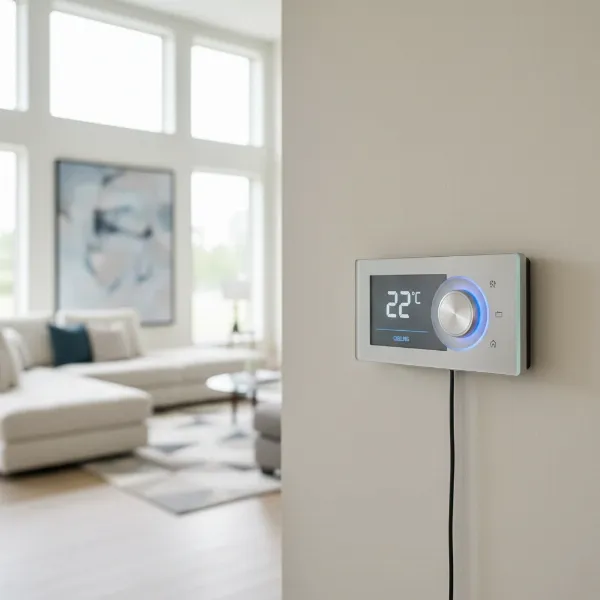
Understanding and managing humidity levels in your environment is more crucial than you might realize, impacting everything from your health and comfort to the preservation of valuable items. As you seek to gain control over your indoor climate, you’ll inevitably encounter two primary types of humidity measuring devices: digital hygrometers and traditional dial sensors. Choosing between these can seem daunting, but by exploring their core differences, you can find the perfect solution tailored to your specific needs. This article will guide you through the intricacies of each type, helping you make an informed decision for superior humidity management.
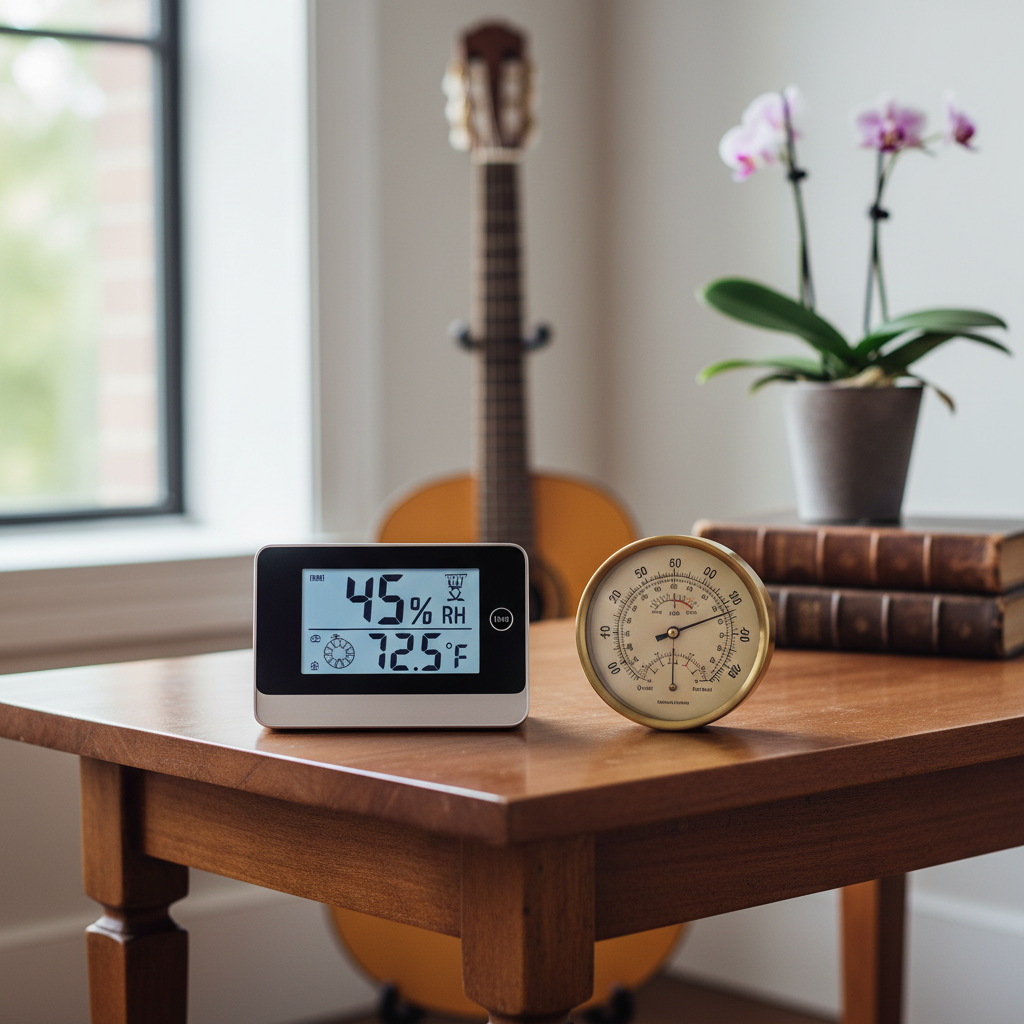
What is a Digital Hygrometer? Why You Need One.
A hygrometer is an instrument designed to measure the amount of water vapor present in the air, commonly expressed as relative humidity (RH). A digital hygrometer leverages modern electronic sensors and microprocessors to detect these moisture levels. These sophisticated devices convert the sensor readings into easily digestible digital numbers displayed on a screen, often providing pinpoint accuracy.
The importance of precise humidity control cannot be overstated. Maintaining optimal indoor humidity, typically between 40-60%, is vital for human health, preventing issues like dry skin, respiratory discomfort, and even mold growth. Beyond comfort, controlled humidity protects sensitive items such as musical instruments, cigars, artwork, and electronics from damage caused by excessive moisture or dryness. For these reasons, a reliable digital hygrometer acts as your vigilant guardian, offering continuous insight into your environmental conditions.
What is a Dial Sensor (Analog Hygrometer)? Why You Might Choose One.
In contrast to their digital counterparts, dial sensors, also known as analog hygrometers, operate on purely mechanical principles. These traditional instruments typically use a hygroscopic material—such as a bimetallic strip, a coiled metal-paper composite, or even synthetic hair—that physically expands or contracts in response to changes in air moisture. This physical movement is then mechanically amplified to move a needle across a calibrated dial, indicating the relative humidity.
Dial sensors offer a classic aesthetic and straightforward operation without the need for batteries or complex electronic readouts. Their simplicity and robust mechanical design appeal to those who value a traditional look and a device that can function reliably in situations where power sources are unavailable. While they may not offer the same level of granular detail as digital models, for general ambient tracking or in environments like wine cellars or greenhouses where approximate readings suffice, an analog dial sensor can be a dependable choice.
Digital Hygrometers vs. Dial Sensors: A Head-to-Head Comparison
When it comes to monitoring humidity, the choice between digital hygrometers and dial sensors boils down to a few critical distinctions. Each type offers unique advantages and disadvantages that cater to different user requirements and applications. Understanding these differences is key to selecting the right tool for your environment.
Accuracy and Precision
|
Our Picks for the Best Digital hygrometer in 2026
As an Amazon Associate I earn from qualifying purchases.
|
||
| Num | Product | Action |
|---|---|---|
| 1 | TempPro TP49 Digital Hygrometer Indoor Thermometer Humidity Meter Room Thermometer with Temperature and Humidity Monitor Mini Hygrometer Outdoor Thermometer (Previously ThermoPro) |

|
| 2 | JEDEW 4 Pack Hygrometer Thermometer Digital Humidity Meter Indoor/Outdoor Humidity Monitor Reptile Thermo-Hygrometer for Greenhouse Humidors Terrarium Jars, Fahrenheit (℉) /Celsius(℃) (4) |
|
| 3 | JEDEW 2 Pack Hygrometer Thermometer Digital Humidity Meter Indoor/Outdoor Humidity Monitor Reptile Thermo-Hygrometer for Greenhouse Humidors Terrarium Jars, Fahrenheit (℉) /Celsius(℃) (2) |
|
| 4 | Humidity Meter Indoor Thermometer 6-Pack Mini Digital Thermometer Hygrometer Indoor Temperature Humidity Meters Gauge LCD Display Fahrenheit (℉) for Greenhouse, Reptile Tank, Cellar, Closet |
|
| 5 | Govee Bluetooth Hygrometer Thermometer, Large LCD, Max/Min Records, 2-Year Data Storage - Black, 2 Pack |
|
| 6 | 6-Pack Mini Hygrometer Indoor Humidity Meter, Mini Digital Thermometer Humidity Gauge Meter, Indoor Thermometer Hygrometer Monitor Fahrenheit (℉) for Reptile Thermostat, Jars Reptile, Fridge |
|
| 7 | TempPro TP49 3 Pieces Digital Hygrometer Indoor Thermometer Humidity Meter Mini Hygrometer with Temperature and Humidity Monitor Outdoor and Room Thermometer Weather Station (Previously ThermoPro) |
|
| 8 | Mini Hygrometer Thermometer Digital Humidity Meter Indoor/Outdoor Humidity Monitor Reptile Thermometer for Greenhouse Garden Cellar Fahrenheit(℉)/ Celsius(℃) 2 Pack |
|
| 9 | TempPro TP50 Digital Hygrometer Indoor Thermometer Room Thermometer and Humidity Gauge with Temperature Humidity Monitor(Previously ThermoPro) |
|
| 10 | TempPro TP50 2 Pieces Digital Hygrometer Indoor Thermometer Room Thermometer and Humidity Gauge with Temperature Humidity Monitor(Previously ThermoPro) |
|
Digital hygrometers generally lead the way in terms of accuracy and precision. Utilizing electronic sensors, they typically provide readings within a narrow margin of error, often ±1-2% relative humidity, sometimes down to decimal points. This high level of precision is crucial for environments demanding tight humidity control.
Conversely, dial sensors, particularly those employing metal-paper coils, are generally less precise. Their accuracy can vary significantly, often with a margin of error of ±5% RH or more. While high-quality hair hygrometers can be surprisingly accurate when properly calibrated, many inexpensive analog models found bundled with products are notoriously unreliable and should be approached with caution.
Readability and Features
Digital hygrometers excel in readability, presenting clear, exact humidity percentages on easy-to-read LCD screens, which are often backlit for visibility in low-light conditions. Beyond just humidity, many digital models offer a wealth of additional features. These can include simultaneous temperature displays, minimum/maximum humidity memory functions, data logging capabilities for tracking historical trends, customizable alarms for out-of-range conditions, and even smart features like smartphone connectivity and integration with smart home systems.
Dial sensors, by contrast, offer a more basic visual experience. Readings require interpreting the position of a needle on a dial, which can be less precise and more challenging to read quickly or in dimly lit spaces. They typically focus solely on humidity measurement, lacking the advanced features found in their digital counterparts.
Calibration and Maintenance
The calibration process is a significant differentiating factor. Many digital hygrometers come factory-calibrated and maintain their accuracy well over time, with some offering straightforward manual calibration options or even automatic calibration. While even high-end digital sensors can degrade eventually, they generally require less frequent calibration than analog models.
Analog dial sensors, particularly the mechanical types, are more susceptible to losing accuracy over time due to the aging of their components. They often require periodic manual recalibration to ensure reliable readings. The “salt test” is a common and effective method for calibrating both digital and analog hygrometers, involving placing the device in a sealed environment with a saturated salt solution that creates a known humidity level (typically 75% RH).
Durability and Power
Digital hygrometers are electronic devices and, as such, require batteries for operation. While robust for typical indoor use, their electronic components can be sensitive to extreme temperature fluctuations or harsh environments. They generally need periodic battery replacements, which is a minor but ongoing maintenance consideration.
Dial sensors, with their mechanical design, do not require any batteries, offering a practical advantage for remote locations or areas where power is scarce. Their simpler construction also tends to make them more physically durable and less prone to damage from impacts or drops compared to delicate electronic components.
Cost and Lifespan
In terms of initial cost, basic analog hygrometers are often the more affordable option, making them accessible for general use. Digital hygrometers span a wider price range, from inexpensive consumer models to high-end, professional-grade units. While the technology in digital devices can become obsolete over time, a well-maintained digital hygrometer can still provide years of service.
Analog devices, particularly those with quality mechanical components, can have a very long lifespan due to their inherent simplicity and lack of complex electronics. However, the lifespan of their accuracy might be shorter without regular calibration.
Choosing the Right Hygrometer for Your Needs (Buying Guide)
Selecting the ideal hygrometer depends entirely on your specific requirements and the environment you intend to monitor. There’s no one-size-fits-all answer, so consider these factors carefully before making your purchase.
Identify Your Application
Your primary use case is the most crucial determinant. If you need to maintain tight control over humidity for delicate items like cigars in a humidor, expensive musical instruments, or sensitive lab experiments, a digital hygrometer with its superior accuracy and additional features is the undeniable choice. These applications demand precise, real-time data to prevent irreversible damage. Conversely, for general home comfort monitoring, tracking humidity in a greenhouse, or in a wine cellar where approximate readings are sufficient, a reliable analog hygrometer might serve your purpose adequately. Its simplicity and battery-free operation can be a distinct advantage in such settings.
Key Factors to Consider When Choosing
When evaluating options, delve into the specifics. Accuracy and resolution are paramount for critical applications; look for models with a ±1-2% RH accuracy rating and decimal point readouts. Consider the range of measurement to ensure it covers your specific environmental needs. The response time of the device is also important; digital units typically offer quicker updates, which is beneficial in rapidly changing conditions. For digital hygrometers, evaluate battery life and the type of display, noting whether it’s backlit for easy reading. Finally, always research the brand reputation and user reviews to gauge reliability and customer satisfaction.
The Calibration Factor
Regardless of the type, the ability to calibrate your hygrometer is a vital aspect often overlooked. Even the most accurate device can drift over time. For analog models, regular manual calibration is almost always a necessity to maintain trustworthy readings. While many digital hygrometers are factory-calibrated, check if a manual calibration feature is available for long-term accuracy assurance. Neglecting calibration can lead to false confidence in your readings, potentially harming sensitive items or creating uncomfortable living conditions.
How to Use and Maintain Your Digital Hygrometer
Proper usage and maintenance are essential for maximizing the lifespan and accuracy of your digital hygrometer. Start by placing the device in a central location away from direct sunlight, heating/cooling vents, or open windows, as these can provide inaccurate localized readings. Allow it ample time—at least 30 minutes, but preferably a few hours—to acclimate to its environment before taking any critical measurements.
Regular calibration is key, typically every 6-12 months. The common “salt test” involves placing the hygrometer in a sealed container with a saturated salt solution (table salt mixed with a small amount of water to form a paste) for 8-12 hours. A correctly calibrated hygrometer should read 75% RH. If it reads differently, adjust it according to the manufacturer’s instructions, noting the offset if no adjustment feature is present. Keep the device clean, avoiding harsh chemicals, and replace batteries as soon as the low-battery indicator appears to prevent potential data loss or damage.
Common Issues and Troubleshooting
Even with the best digital hygrometer, you might encounter issues. The most frequent problem is inaccurate readings. This is often a calibration issue; performing a salt test can help determine if your device has drifted. If a hygrometer consistently reads significantly off after calibration, it might indicate sensor degradation, suggesting it’s time for a replacement.
Another common concern for digital models is battery life. If the display is dim or intermittent, try replacing the batteries. Ensure you use the correct battery type specified by the manufacturer. For models with advanced features like data logging or Wi-Fi connectivity, check the user manual for specific troubleshooting steps if data isn’t updating or connecting properly. While less common with digital devices, a slow response time might occur if the sensors are obstructed or if the device is transitioning between extreme conditions; moving it to a more stable environment or gently cleaning the sensor area can sometimes help.
“For anything that truly matters, whether it’s your prized cigar collection or a delicate musical instrument, the small investment in a quality, regularly calibrated digital hygrometer pays dividends in peace of mind and preservation.” – Dr. Eleanor Vance, Environmental Scientist specializing in atmospheric moisture.
Conclusion
The debate between digital hygrometers and traditional dial sensors ultimately concludes with a clear understanding: the best choice is the one that aligns precisely with your individual needs and the demands of your environment. Digital hygrometers offer unparalleled accuracy, rapid response, and a suite of advanced features, making them indispensable for applications requiring meticulous climate control. Conversely, dial sensors, with their classic aesthetic and battery-free operation, provide a robust and simple solution for general monitoring where absolute precision is less critical.
By carefully considering factors such as required accuracy, desired features, and maintenance preferences, you can confidently select a humidity monitoring device that safeguards your health, comfort, and valuable possessions. What essential item in your home would benefit most from precise humidity monitoring, and which hygrometer will you choose to protect it?
Câu Hỏi Thường Gặp
How often should a hygrometer be calibrated?
It is recommended to calibrate a hygrometer at least once or twice a year, or whenever you suspect its readings might be inaccurate. Analog hygrometers, in particular, may require more frequent calibration due to their mechanical nature. The salt test is a reliable method for ensuring your device provides accurate readings.