Maintaining optimal indoor humidity is crucial for health, comfort, and protecting your home and valuables. From preventing mold growth to safeguarding musical instruments and fine furniture, a digital hygrometer is an indispensable tool. However, with a multitude of options available, selecting the perfect device can feel overwhelming. This comprehensive guide will navigate you through the world of digital hygrometers, helping you make an informed, error-free choice to ensure a balanced and healthy living environment.
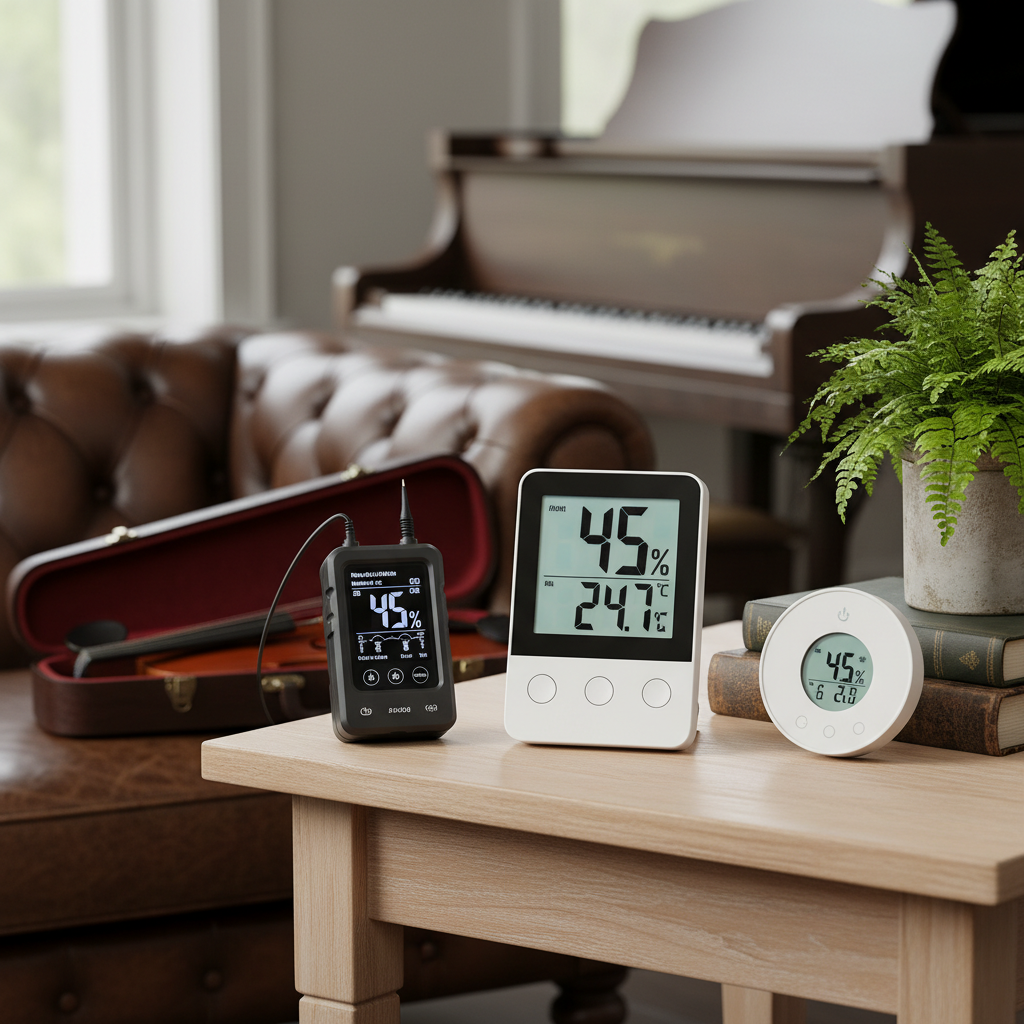
What is a Digital Hygrometer and Why Do You Need One?
A digital hygrometer is an electronic instrument designed to measure the amount of water vapor in the air, commonly known as relative humidity (RH). Unlike older analog models that rely on mechanical changes, digital hygrometers utilize advanced electronic sensors—typically capacitive or resistive—to provide swift, precise, and easily readable measurements. These devices often integrate temperature sensors, making them “thermo-hygrometers” that display both temperature and humidity data.
The importance of monitoring humidity extends beyond mere comfort. Excessively high humidity fosters the growth of mold, mildew, and dust mites, aggravating allergies and respiratory issues. Conversely, air that is too dry can cause dry skin, irritated sinuses, and damage to wooden furniture, flooring, and sensitive items like musical instruments or cigars, leading to cracks or warping. By accurately monitoring humidity levels with a digital hygrometer, you can take proactive steps to adjust your environment, whether through humidifiers, dehumidifiers, or ventilation, ensuring a healthy and comfortable space for yourself and your belongings.
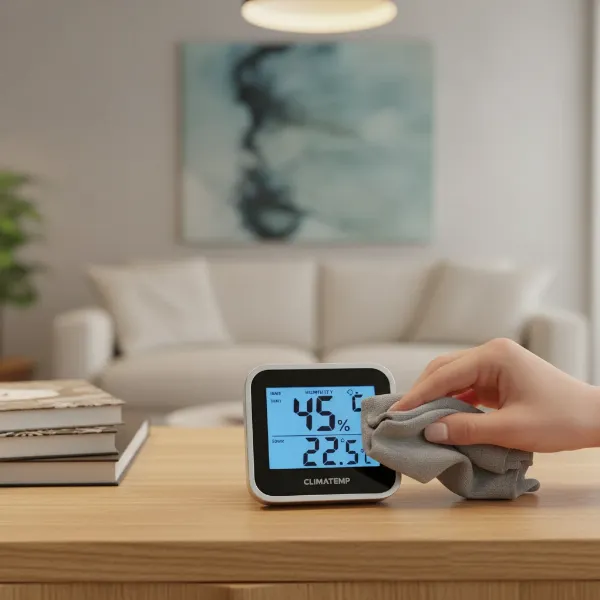
[image-1|digital-hygrometer-overview|Digital hygrometer displaying humidity and temperature in a modern home living room, close-up, natural light, realistic style|
A close-up, realistic shot of a modern digital hygrometer placed on a wooden table in a well-lit living room. The display clearly shows both humidity percentage and temperature. The background is slightly blurred, featuring warm, inviting home decor. Soft, ambient lighting. Editorial style.]
Popular Types of Digital Hygrometers
Digital hygrometers come in various forms, each suited for different monitoring needs and environments. Understanding their characteristics can help you determine which type best fits your specific requirements.
Desktop Digital Hygrometers
Desktop models are among the most common and user-friendly digital hygrometers. They are designed to sit on a flat surface, often featuring large, easy-to-read displays and sometimes a kickstand for optimal viewing. Many desktop units include additional functions such as temperature readings, high/low records for both temperature and humidity, and comfort level indicators.
- Pros: Generally affordable, easy to set up and read at a glance, often include extra features like clocks and comfort indicators.
- Cons: Less portable than smaller units, typically suitable for monitoring a single room.
|
Our Picks for the Best Digital hygrometer in 2026
As an Amazon Associate I earn from qualifying purchases.
|
||
| Num | Product | Action |
|---|---|---|
| 1 | JEDEW 2 Pack Hygrometer Thermometer Digital Humidity Meter Indoor/Outdoor Humidity Monitor Reptile Thermo-Hygrometer for Greenhouse Humidors Terrarium Jars, Fahrenheit (℉) /Celsius(℃) (2) |

|
| 2 | Humidity Meter Indoor Thermometer 6-Pack Mini Digital Thermometer Hygrometer Indoor Temperature Humidity Meters Gauge LCD Display Fahrenheit (℉) for Greenhouse, Reptile Tank, Cellar, Closet |
|
| 3 | TempPro TP49 3 Pieces Digital Hygrometer Indoor Thermometer Humidity Meter Mini Hygrometer with Temperature and Humidity Monitor Outdoor and Room Thermometer Weather Station (Previously ThermoPro) |
|
| 4 | 6-Pack Mini Hygrometer Indoor Humidity Meter, Mini Digital Thermometer Humidity Gauge Meter, Indoor Thermometer Hygrometer Monitor Fahrenheit (℉) for Reptile Thermostat, Jars Reptile, Fridge |
|
| 5 | Govee Bluetooth Hygrometer Thermometer, Large LCD, Max/Min Records, 2-Year Data Storage - Black, 2 Pack |
|
| 6 | JEDEW 4 Pack Hygrometer Thermometer Digital Humidity Meter Indoor/Outdoor Humidity Monitor Reptile Thermo-Hygrometer for Greenhouse Humidors Terrarium Jars, Fahrenheit (℉) /Celsius(℃) (4) |
|
| 7 | Mini Hygrometer Thermometer Digital Humidity Meter Indoor/Outdoor Humidity Monitor Reptile Thermometer for Greenhouse Garden Cellar Fahrenheit(℉)/ Celsius(℃) 2 Pack |
|
| 8 | TempPro TP49 Digital Hygrometer Indoor Thermometer Humidity Meter Room Thermometer with Temperature and Humidity Monitor Mini Hygrometer Outdoor Thermometer (Previously ThermoPro) |
|
| 9 | TempPro TP50 2 Pieces Digital Hygrometer Indoor Thermometer Room Thermometer and Humidity Gauge with Temperature Humidity Monitor(Previously ThermoPro) |
|
| 10 | TempPro TP50 Digital Hygrometer Indoor Thermometer Room Thermometer and Humidity Gauge with Temperature Humidity Monitor(Previously ThermoPro) |
|
Wall-Mounted Digital Hygrometers
For those looking to save surface space or integrate the device seamlessly into their decor, wall-mounted digital hygrometers are an excellent choice. These units often come with adhesive pads, screw holes, or magnetic backs for easy installation on walls or metallic surfaces like refrigerators.
- Pros: Space-saving, can be placed at eye level for easy observation, some models are very discreet.
- Cons: Requires a fixed position, not ideal if you need to move the device frequently between rooms.
Handheld Digital Hygrometers
Designed for portability, handheld digital hygrometers are compact and lightweight, making them ideal for spot-checking humidity in multiple locations or on the go. While some advanced models offer robust features, most basic handheld units focus on delivering essential humidity and temperature readings in a small form factor.
- Pros: Highly portable and versatile, great for checking specific areas like inside humidors, terrariums, or travel cases.
- Cons: Smaller screens can be harder to read, may have fewer advanced features compared to desktop or smart variants.
Comparison Table: Top Digital Hygrometer Features
When comparing different digital hygrometers, consider the blend of features that align with your specific monitoring goals. While specific product names and prices fluctuate, understanding the general offerings helps in making an informed decision.
| Feature Category | Basic Digital Hygrometer | Mid-Range Smart Hygrometer | Advanced Multi-Sensor System |
|---|---|---|---|
| Typical Accuracy | ±3-5% RH, ±2°F | ±2-3% RH, ±1°F | ±1-2% RH, ±0.5°F |
| Display | Clear LCD, often with comfort icon | Clear LCD, often with backlight, app display | Minimal or no on-device display, primarily app-based |
| Connectivity | None (standalone) | Bluetooth (local range) | Wi-Fi (remote access), sometimes Bluetooth |
| Key Features | Temp/humidity display, high/low records | Temp/humidity, high/low, alerts, data logging, app control | Multi-point sensing, active drift correction, robust data analytics, long-term storage |
| Power Source | AAA/AA batteries | AAA/AA batteries (longer life) | Rechargeable batteries or USB power, longer life |
| Use Cases | General home monitoring, single room, basic comfort | Nurseries, greenhouses, specific item storage (cigars, instruments) | Industrial, critical storage, whole-house systems, scientific monitoring |
Guide to Choosing the Right Digital Hygrometer (Buying Guide)
Selecting the right digital hygrometer requires a thoughtful evaluation of your needs and the device’s capabilities. An informed choice ensures you get the most accurate and useful data for your environment.
Determine Your Usage Needs
Before diving into features, clarify what you intend to monitor and where. This will significantly narrow down your options.
- Where will you measure humidity? Do you need to monitor a single room (e.g., bedroom, living room), a specific enclosed space (e.g., humidor, terrarium, basement), or multiple areas throughout your home? For whole-house monitoring, you might need multiple standalone units or a system with multiple sensors that connect to a central hub or app.
- What level of accuracy is essential? For general household comfort, an accuracy of ±3-5% RH is usually sufficient. However, for sensitive items like musical instruments, cigar collections, or critical environments like a baby’s room or a greenhouse, a higher precision of ±1-2% RH is advisable.
- Do you need additional features? Consider if you require features beyond basic readings, such as alarms for out-of-range conditions, data logging to track historical trends, or remote monitoring capabilities via Bluetooth or Wi-Fi to check readings from your smartphone.
Key Factors to Consider When Selecting a Hygrometer
Once your needs are clear, focus on these technical aspects to pick a reliable device.
- Accuracy and Resolution: The most critical factor. Look for models that clearly state their accuracy (e.g., ±2% RH). Higher resolution (e.g., 0.1% RH) provides finer detail, though ±1% RH is often sufficient. Remember that accuracy can drift over time, necessitating calibration.
- Measurement Range: Ensure the device can comfortably measure the humidity and temperature extremes you expect. Most home hygrometers cover 10-99% RH and a wide temperature range.
- Response Time: A faster response time (e.g., updating every few seconds) is beneficial for dynamic environments or when you need immediate feedback on changes.
- Battery Life (for wireless models): Long battery life reduces maintenance frequency. Some models can last over a year on a single set of batteries.
- Display and Readability: A large, clear LCD screen with bold numbers is always preferred. Backlighting is a significant plus for low-light conditions. Icons indicating comfort levels (e.g., dry, comfort, wet) add convenience.
- Brand and Reviews: Opt for reputable brands known for quality and customer support. Read user reviews to gauge real-world performance and common issues.
Budget
Digital hygrometers vary widely in price, reflecting their features and accuracy.
- Entry-level (Under $20): Basic standalone units with essential temperature and humidity readings, suitable for general home monitoring.
- Mid-range ($20-$50): Often includes better accuracy, larger displays, backlight, and sometimes Bluetooth connectivity for app monitoring within a limited range.
- High-end ($50+): Features Wi-Fi connectivity for remote monitoring, advanced data logging, multiple sensors, and superior accuracy, often with smart home integration.
Choose a price point that balances your budget with your specific accuracy and feature requirements.
How to Use and Maintain Your Digital Hygrometer
Proper usage and regular maintenance are essential to ensure your digital hygrometer provides accurate and reliable readings over its lifespan.
To use your digital hygrometer correctly, first ensure it’s placed in an optimal location. Position the device centrally within the room you wish to monitor, away from direct sunlight, windows, air conditioning vents, heaters, or any sources of strong airflow or moisture. These factors can create microclimates that lead to skewed readings, not representative of the overall room humidity. For specific applications like humidors, place the hygrometer at mid-level, not directly next to humidification elements.
Regular maintenance extends the life and accuracy of your device. Dust and debris can accumulate on the sensor, affecting its performance. Gently clean the sensor area with a soft, dry cloth periodically. For battery-powered units, regularly check the battery life and replace batteries as soon as they show signs of depletion or when recommended by the manufacturer. Low battery power is a common cause of inaccurate or erratic readings. Additionally, avoid exposing your hygrometer to extreme temperatures or high moisture environments unless it’s specifically designed for such conditions, as this can damage the internal components.
Common Issues and Troubleshooting
Even with the best digital hygrometers, issues can arise. Understanding common problems and their solutions can help you maintain accurate readings.
One of the most frequent problems with digital hygrometers is inaccurate readings, often due to sensor drift over time. All sensors can gradually lose their calibration accuracy, especially after prolonged use or exposure to environmental fluctuations. Low battery levels are another culprit, causing erratic or unreliable data. Incorrect placement, such as near a window or a heat vent, can also significantly skew readings by capturing localized conditions rather than the true ambient humidity.
To troubleshoot and correct these issues:
- Check Battery Levels: If readings seem off, the first step is to replace the batteries. This often resolves erratic behavior caused by low power.
- Verify Placement: Ensure your hygrometer is in a neutral spot, away from direct heat, cold, sunlight, or strong air currents. A central location in the room is usually best for an overall humidity assessment.
- Perform a Salt Test for Calibration: This is the most reliable method to check and correct accuracy.
- Step 1: Place a small amount of regular table salt (sodium chloride) in a bottle cap, filling it about three-quarters. Add just enough distilled water to make the salt damp, like wet sand, without any standing water.
- Step 2: Place the cap with the damp salt and your hygrometer inside a sealed, airtight container (e.g., a zip-top bag or Tupperware).
- Step 3: Leave the setup in a stable room-temperature environment for at least 6 to 12 hours, preferably overnight. Avoid areas with temperature fluctuations.
- Step 4: After the waiting period, check your hygrometer’s reading. A perfectly accurate reading in this saturated salt environment should be 75% RH.
- Step 5: If your hygrometer has a calibration button or screw (often a small pinhole adjustment), follow your device’s instructions to adjust the reading to 75% RH while it’s still in the sealed container. If your device cannot be adjusted, simply note the deviation (e.g., if it reads 72%, it’s -3% off; if it reads 78%, it’s +3% off) and factor that into future readings.
- Mistakes to avoid during the salt test include using too much water (salt dissolves), not waiting long enough, or performing the test in an unstable temperature environment.
By diligently performing these troubleshooting steps, especially regular calibration, you can ensure your digital hygrometer consistently provides precise and dependable humidity data.
[image-2|hygrometer-calibration-salt-test|Digital hygrometer inside a sealed container with a salt solution for calibration, accurate measurement, scientific setup, clean style|
A clear, close-up, scientific-style photograph showing a digital hygrometer inside a transparent, sealed plastic container. Next to it, a small cap contains a paste of table salt and water (the “salt test” setup). The scene is well-lit, emphasizing the precise nature of calibration. Editorial, clean style.]
Conclusion
Choosing the right digital hygrometer is an investment in your comfort, health, and the longevity of your home and possessions. By understanding the different types, prioritizing accuracy and essential features, and committing to proper usage and maintenance, you can confidently select a device that provides error-free humidity monitoring. Regular calibration, particularly using the salt test, is paramount to counteract sensor drift and ensure your readings remain precise. With a reliable digital hygrometer, you gain the power to actively manage your indoor environment, mitigating risks from extreme humidity and fostering a consistently ideal atmosphere. What proactive steps will you take today to optimize your indoor humidity?
Frequently Asked Questions
What is the ideal indoor humidity level?
The ideal indoor relative humidity generally falls between 40% and 60%. Maintaining this range helps prevent issues like mold growth and dust mites in higher humidity, and dry skin or static electricity in lower humidity. This balance is crucial for both human comfort and the preservation of household items.
How often should I calibrate my digital hygrometer?
It’s recommended to calibrate your digital hygrometer at least once every 6 to 12 months, or immediately upon purchase, especially for critical applications. Digital sensors can drift over time due to wear, dust, or environmental exposure, so regular calibration ensures continued accuracy and reliable measurements.
Can a digital hygrometer measure outdoor humidity?
While some digital hygrometers are designed for outdoor use and are weather-resistant, most standard indoor models are not. Using an indoor hygrometer outdoors can lead to inaccurate readings and potential damage due to exposure to extreme weather conditions. Always check the manufacturer’s specifications for outdoor compatibility.
Why is my new hygrometer showing incorrect readings?
A new hygrometer might show incorrect readings due to several factors. It could require an initial calibration out of the box, as factory calibrations might not be perfect. Poor placement near heat sources or vents can also skew initial readings. Ensure proper setup and perform a salt test to verify its accuracy.
Do smart hygrometers offer better accuracy?
Smart hygrometers (Bluetooth/Wi-Fi enabled) often offer comparable baseline accuracy to mid-range standalone digital units. Their “smart” advantage lies in features like remote monitoring, data logging, and app-based alerts, which enhance usability and data analysis, rather than inherently superior sensor accuracy compared to a well-calibrated non-smart digital unit.
Can humidity damage electronics?
Yes, high humidity can significantly damage electronics by causing condensation, leading to corrosion of internal components and short circuits. Low humidity, on the other hand, can increase the risk of electrostatic discharge, which can also harm sensitive electronic components. Maintaining optimal humidity levels is crucial for protecting electronic devices.